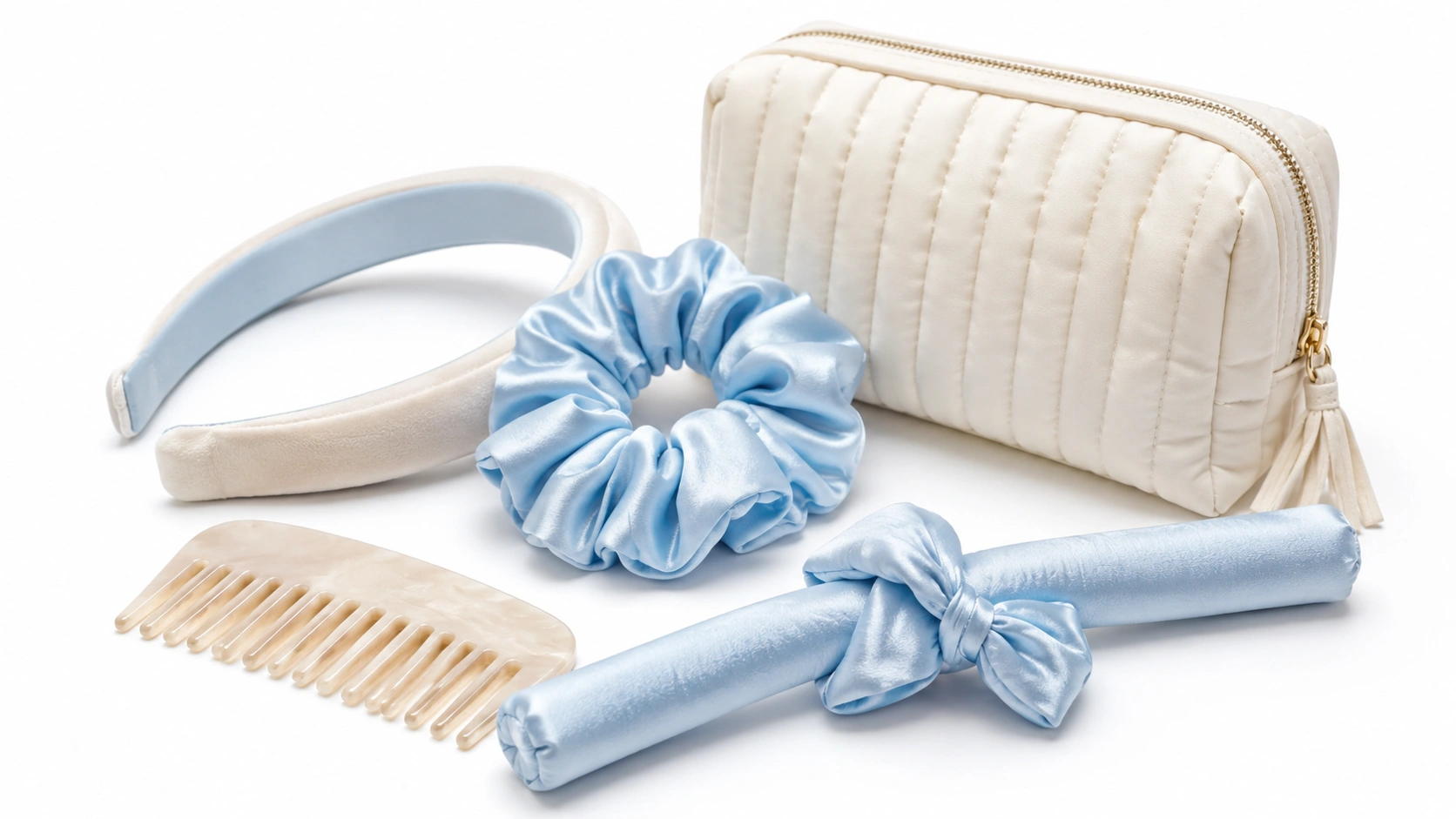
A simple updo tool can become a strong retail item when buyers position it correctly. The current demand around the hair accessory for french twist category is not really about one single pin or clip alone. It reflects a broader market preference for quick, elegant, low-effort styling solutions that work for daily wear, travel, gifting, and beauty bundle promotions. For B2B buyers, that creates an opportunity to move beyond basic hair pins and develop packaged accessory programs with stronger shelf appeal, better perceived value, and more reliable repeat orders.
Article Outline
- Buyer demand for French twist hair accessories in retail, gifting, and beauty set development
- Product types, materials, and set combinations for French twist styling
- Customization, branding, and packaging options for private label hair accessory programs
- How to evaluate suppliers on MOQ, sampling, lead time, and quality control
- Practical sourcing recommendations for wholesale French twist hair accessory buyers
Buyer demand for French twist hair accessories in retail, gifting, and beauty set development
Buyers in beauty accessories, fashion gift sets, and private label programs are seeing increased demand for products that help consumers create an effortless French updo without salon-level skill. Editorial coverage from fashion media such as Vogue has helped keep the look visible, while social content on Instagram continues to turn the French twist into a quick, elegant everyday hairstyle rather than a formal-only look. That shift matters for wholesale planning because it broadens the end-use market.
Instead of selling only to occasionwear channels, a hair accessory for french twist styling can fit into everyday fashion accessory assortments, travel beauty kits, seasonal gift packs, and checkout display programs. Buyers should think in terms of use cases: office styling, travel convenience, event-ready looks, and low-maintenance grooming. These are the same product stories that help increase sell-through in both retail and promotional channels.
Several B2B sourcing insights stand out here. First, compact styling tools usually perform better when paired with visible packaging that explains the function quickly. Second, perceived value rises when a simple pin, comb, or clip is presented as part of a coordinated set rather than a loose single item. Third, reorder stability is especially important in trend-sensitive categories where a successful elegant hair item may need replenishment in the same color and finish for multiple seasons. Fourth, buyers developing gift-with-purchase or holiday kits can combine hair tools with pouches, cosmetic bags, or travel organizer bags to lift average order value. Fifth, packaging matters almost as much as the accessory itself when the item is small and visually delicate.
For international buyers, product development should also consider channel differences. A fashion retailer may want statement acetate or pearl details. A beauty brand may prefer a neutral french hair tool in a carded set with a pouch. A promotional buyer may prioritize lower MOQ, simple plastic or metal construction, and compact OPP bag packaging for campaigns. Industry tracking platforms such as Statista and FashionUnited are often useful for directional review of beauty and accessories trends, but actual purchase decisions still come down to material feel, grip performance, price architecture, and packaging suitability.
Product types, materials, and set combinations for French twist styling
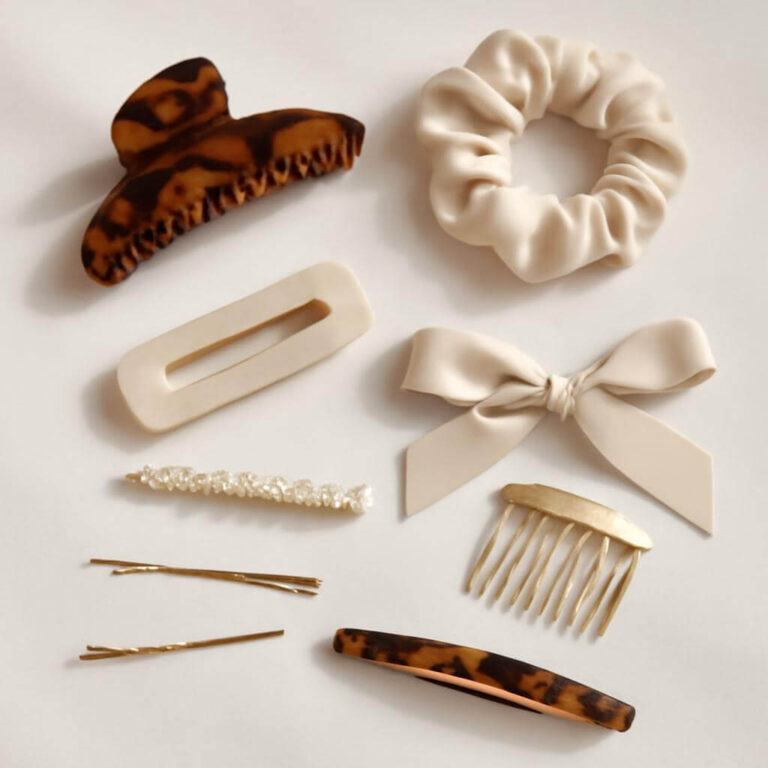
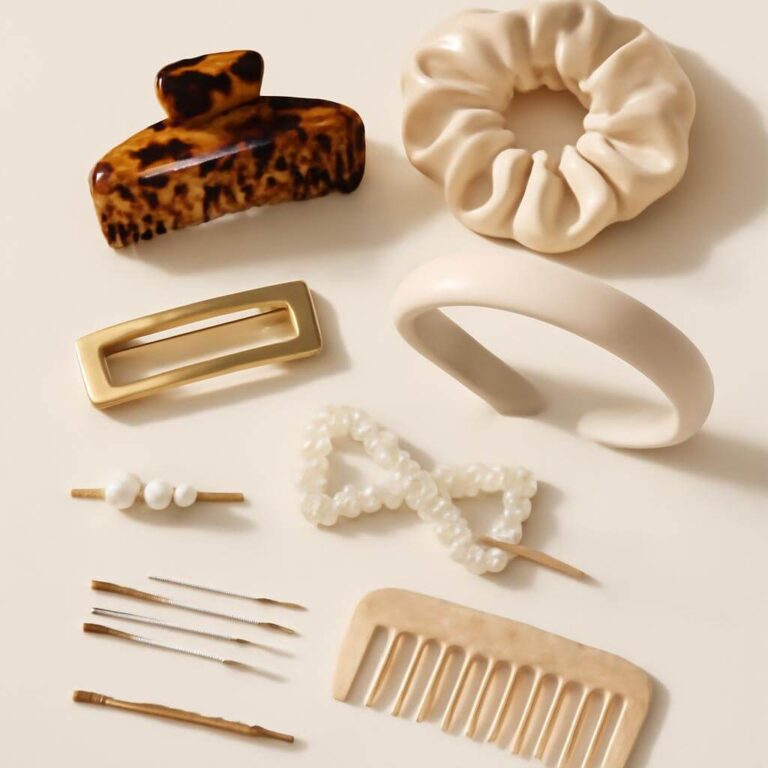
The best product strategy is usually not to ask for one generic French twist item, but to define which structure supports the target hair type, price point, and selling channel. In wholesale development, the category includes French twist pins, U pins, combs, barrettes, claw clips, banana-style clips, and hybrid tools that combine comb teeth with decorative top pieces. Some buyers also include bobby pins or mini finishing clips as support items inside a display set.
Material selection has a direct impact on durability, styling hold, finish quality, and brand positioning. Acetate and resin are commonly chosen for a more premium fashion look, especially when tortoise, marble, or custom color effects are required. Plastic supports sharper price targets and lighter weight, but buyers should check mold lines, tooth strength, and color consistency across bulk runs. Metal is often preferred for stronger hold in French updo structures, especially when the end customer has thick or long hair. Satin, velvet, and organza are more suitable as companion accessories or pouch materials when the program includes scrunchies, bows, or gift presentation pieces. Faux pearl and rhinestone details can elevate the styling story, though they also require more attention to attachment security and scratch protection in transit.
- For thick hair: reinforced metal combs, strong spring claw clips, larger U pins, or wider French twist comb structures.
- For short hair: narrower combs, smaller barrettes, and mixed sets with support pins for better hold.
- For gift sets: pair decorative clips or pins with a drawstring pouch, compact cosmetic bag, or travel organizer format.
- For entry-price retail: simple plastic or metal tools on a branded display card with barcode label.
- For fashion-led launches: acetate, resin, pearl, or rhinestone details with premium card packaging or gift box presentation.
Set combination planning is where many buyers can create stronger differentiation. Rather than sourcing a single french twist comb, brands can build a coordinated hair accessory gift set that includes one hero item plus support pieces. Typical combinations include a French twist clip with matching bobby pins, a decorative pin with a mini pouch, or a multi-piece travel styling set containing a comb, scrunchie, and clip. This approach is especially useful when the accessory itself is compact and the buyer wants stronger visual impact in-store.
Another practical decision factor is grip strength versus decoration weight. A beautiful resin top or pearl surface may look premium, but if the mechanism is weak, return risk increases. Buyers should request pull tests, hinge checks, tooth alignment checks, and real-use sampling on different hair volumes before locking the specification. That step is more important than trend color alone.
For buyers exploring a broader assortment, reviewing category options on https://blaccessory.com/hair-accessories/ can help compare product directions for clips, pins, bows, and other complementary items that may fit a French styling program.
Customization, branding, and packaging options for private label hair accessory programs
Private label success in this category often depends on how well the accessory and packaging work together. Many end buyers discover the product through visual merchandising first, not technical product knowledge. That means custom color, logo application, and retail presentation should be planned from the start rather than added after the accessory is finalized.
Common customization options include custom color matching for seasonal collections, logo plates on metal components, woven labels on fabric pouches, printed card packaging, hang tags, and coordinated display sets. For brands selling a quick, elegant hair solution, the packaging message should communicate both the styling use and the fashion value. A simple statement such as a French updo accessory, effortless styling pin, or elegant hair tool can help clarify the function at shelf level without overcomplicating the design.
Packaging structures can be selected based on sales channel and target cost:
- Display card: suitable for hanging retail formats and fast product identification.
- OPP bag: useful for budget programs, promotional packs, and bulk distribution.
- Gift box: better for premium fashion sets, holiday launches, and beauty gift assortments.
- Retail hanging card: ideal for chain stores that require uniform peg display.
- Barcode label: important for inventory control and retailer compliance.
Buyers combining hair accessories with beauty packaging should also think about protective presentation. If the set includes pearl, rhinestone, polished metal, or glossy acetate, inner trays, backing cards, or soft pouches may be necessary to prevent scratches and preserve finishing quality. For multipack programs, compartment design can reduce movement during transit and improve the unboxing experience.
One useful OEM/ODM strategy is to build a tiered program. For example, an entry collection may use standard molds with custom color and printed card packaging. A mid-tier line may add logo plates and upgraded gift boxes. A premium collection may include exclusive resin patterns, velvet pouches, and coordinated beauty storage bags. This helps buyers manage mold cost while still creating visible differentiation across price bands.
A supplier such as Q&N Fashion Accessory can support this process by aligning accessory development with packaging format, instead of treating the hair item and presentation materials as separate sourcing tasks. That is particularly valuable for brands planning hair accessory gift set launches or cross-category beauty promotions.
How to evaluate suppliers on MOQ, sampling, lead time, and quality control
Many sourcing issues in hair accessories appear after sample approval, not before it. A sample may look good, but bulk production can drift in color, plating tone, spring tension, glue cleanliness, or stone placement. That is why supplier evaluation should cover both development capability and production control.
MOQ is usually influenced by material type, mold requirements, packaging complexity, and whether custom color matching is needed. Buyers requesting standard plastic or metal styles with simple card packaging may secure more flexible quantities. Custom acetate patterns, special resin effects, or fully bespoke molds generally require higher MOQ and potentially mold cost. If a program includes mixed packaging components such as gift boxes, labels, and pouches, each part may have its own minimum order threshold. Buyers should ask for the accessory MOQ and the packaging MOQ separately.
Sampling should follow a structured sequence. Start with design confirmation and target price discussion. Then review material options and color references. After that, confirm logo placement, size, grip strength, and packaging format. Pre-production samples should include the actual accessory, real branding method, and the intended packing structure. For French twist items, real-use testing is essential because styling hold can vary significantly depending on hair thickness and finishing smoothness.
Lead time is another practical buyer decision factor. Standard styles with minor logo changes can move relatively quickly, while custom mold development or premium decoration usually adds time. Production schedules can also shift if buyers revise colors late, delay artwork approval, or request packaging changes after sampling. To reduce delays, buyers should lock these points early:
- Final Pantone or physical color reference
- Material and finish confirmation
- Logo artwork and placement
- Pack-out method and barcode requirements
- Carton marks and shipping standard
Quality control should focus on the failure points most common in this category. These include grip strength, comb tooth alignment, burrs or sharp edges, coating or plating defects, glue overflow, rhinestone loss, uneven faux pearl attachment, and packaging damage during shipment. For fabric add-ons such as satin or velvet pouches, buyers should also review stitching quality, shade consistency, and label placement. Reorder programs require approved reference samples and production records so future runs match the original shipment.
When comparing wholesale beauty packaging suppliers and accessory manufacturers, buyers should not evaluate price alone. They should also ask whether the supplier can manage accessory-plus-packaging programs consistently. Q&N Fashion Accessory is better positioned when the project needs both styling accessories and coordinated packaging support under one sourcing workflow.
Practical sourcing recommendations for wholesale French twist hair accessory buyers
For buyers planning a hair accessory for french twist launch, the most effective approach is to begin with the sales channel and only then select the product structure. A social-first fashion collection may benefit from decorative resin, pearl, or rhinestone looks with strong visual packaging. A mass retail assortment may perform better with reliable plastic or metal structures, clear card messaging, and strict target pricing. A travel or beauty promotion may work best as a compact gift-ready set with pouch packaging and simple logo execution.
There are several practical recommendations that can improve sourcing outcomes:
- Define the target hair type before approving the item. Thick hair, fine hair, and short hair need different holding structures.
- Approve decoration and mechanism together. A beautiful top design means little if the spring, comb, or pin does not hold.
- Develop packaging early. Small accessories rely heavily on card design, gift box structure, or pouch presentation to communicate value.
- Plan reorder colors in advance. Seasonal custom shades are attractive, but core neutrals support more stable replenishment.
- Separate mold cost from unit price analysis so premium custom projects do not distort basic assortment planning.
For buyers developing private label beauty or fashion accessory programs, it is often efficient to work with a partner that can coordinate product design, packaging selection, and production follow-up in one place. Q&N Fashion Accessory offers that type of sourcing logic for brands that want to combine hair accessories with broader gift, travel, or beauty presentation needs. Buyers can review general capabilities and category direction at https://blaccessory.com/ and use that as a starting point for specification discussions.
The main takeaway is simple: the secret to a successful wholesale French twist program is not just finding a trendy hair pin. It is building the right combination of material, hold performance, finishing quality, and packaging presentation so the item feels quick, elegant, and retail-ready from the first sample to repeat production.
Frequently Asked Questions
What clip do you use for a French twist?
For wholesale product development, the right clip depends on the target hair type and price position. Common options include French twist comb clips, claw clips, U pins, and banana-style structures. For thick hair, buyers usually prefer stronger metal-based structures or reinforced comb designs. For fashion retail, acetate or resin decorative tops can improve shelf appeal. The best B2B choice is the one that balances grip strength, comfort, decoration weight, and packaging format.
What is the hair tool for French twist?
The tool can be a U pin, twist comb, barrette, claw clip, or hybrid support comb designed to secure rolled hair vertically. From a sourcing perspective, buyers should avoid treating all French twist tools as interchangeable. The mechanism, tooth spacing, finish smoothness, and tension all affect performance. If the collection targets easy styling and repeat consumer use, sample testing on different hair densities is essential before confirming a bulk order.
What is needed for a French twist?
A workable retail or private label French twist set typically needs one main holding accessory plus optional support items such as bobby pins, a comb, or a compact pouch. In B2B programs, what is needed also includes clear packaging communication, brand presentation, and suitable pack-out protection. If the buyer wants to increase perceived value, the accessory can be combined with a small travel pouch, beauty organizer, or gift card presentation rather than sold loose.
How to get a French twist to hold?
Product design is the main factor. The accessory must have enough grip strength, the right tooth or pin shape, and a finish that is smooth but not too slippery. For buyers, this means checking spring tension, pin thickness, comb alignment, and actual performance on fine and thick hair. Packaging can also help by including basic usage guidance on the display card, which reduces misuse and improves customer satisfaction after purchase.
What should buyers check when ordering custom French twist hair accessories in bulk?
Key checks include material selection, finishing quality, color consistency, logo execution, MOQ, mold cost, and the relationship between decoration weight and holding power. Buyers should also confirm packaging requirements such as display card size, OPP bag format, gift box dimensions, barcode placement, and shipping carton standards. A bulk order should never proceed based only on a visual sample; it should be supported by approved materials, branding details, and a pre-production sample.
Can a French twist hair accessory be developed as part of a gift set or private label collection?
Yes. This category works well in gift-oriented and fashion-beauty crossover programs. Buyers can combine a French twist clip, pin, or comb with a branded pouch, scrunchie, mini organizer, or retail-ready card set to create a stronger presentation. For brands exploring those options, https://blaccessory.com/ is a useful starting point for discussing private label packaging, accessory coordination, and repeat-order planning with Q&N Fashion Accessory.