A common sourcing problem for hair accessory buyers is that a product looks elegant in concept, but fails in real use. This is especially true when developing a hair accessory for french twist styling. The style depends on hold, balance, surface finishing, and user-friendly structure. If the accessory slips, feels sharp, or shows color inconsistency across reorders, the product may create returns, weak retail feedback, or packaging rework. For importers, brand owners, retailers, and private label teams, the right wholesale program needs more than a fashionable shape. It needs stable production, suitable materials, retail-ready packaging, and a supplier that understands how these hair pins, combs, clips, and updo tools perform in actual styling scenarios.
French twist accessories are increasingly relevant across boutique retail, salon resale, gift sets, event collections, and fashion accessory lines because they answer a clear market need: easy, polished hair styling with minimal steps. Neutral industry references such as Statista and FashionUnited often point to sustained buyer interest in fashion accessories that combine practicality with trend appeal. For B2B buyers, that means product development should connect chic styling value with sourcing realities such as MOQ, mold cost, grip strength, finishing quality, and repeat-order consistency.
Article Outline
- Why French twist hair accessories matter for retail, salon, and private label buyers
- Product types, materials, and set combinations for French twist styling
- Custom branding, packaging, and private label development options
- How to evaluate suppliers on MOQ, sampling, lead time, and quality control
- Practical sourcing recommendations for wholesale French twist hair accessory programs
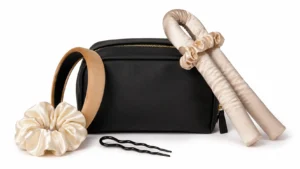
Why French twist hair accessories matter for retail, salon, and private label buyers
Buyers are not just sourcing a single fashion item when they develop a french hair styling line. They are solving several commercial needs at once: trend responsiveness, margin control, compact packaging, and broad usability across different hair types. A hair accessory for french twist programs can fit department store accessories, e-commerce bundles, salon counters, travel styling kits, bridal assortments, and gifting collections. That flexibility makes the category attractive for wholesale development.
There is also a strong merchandising advantage. French twist-related products are easy to explain visually on a display card, easy to pair with hair pins or combs in a set, and easy to reposition seasonally through color updates. Buyers can launch classic black, tortoise, pearl, gold-tone, or soft matte finishes, then shift into spring pastels, holiday metallics, or wedding-inspired satin details without changing the entire concept. This helps reduce development risk while keeping the assortment fresh.
From a sourcing perspective, the category matters because performance drives reorder stability. Buyers typically evaluate:
- Whether the accessory will hold thick, fine, straight, or textured hair with reasonable grip strength
- Whether the shape is easy enough for consumers to create an updo or french twist quickly
- Whether surface finishing, plating, and edge treatment support a premium look
- Whether packaging can communicate use clearly in retail environments
- Whether repeat orders will maintain color, tension, dimensions, and material consistency
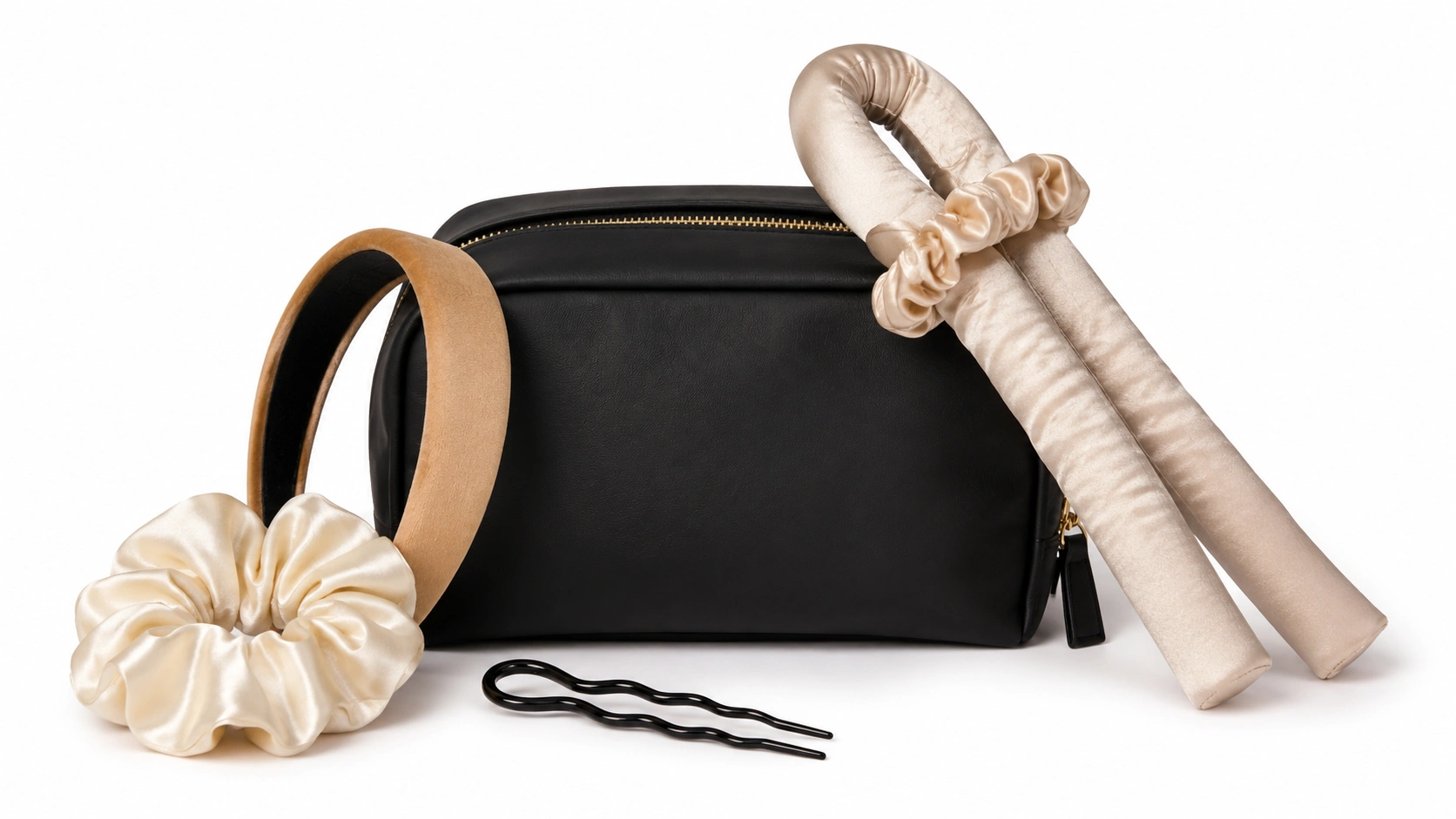
One useful B2B insight is that these products often perform best when sold as a styling solution rather than as an isolated item. For example, a buyer may combine a french twist clip with matching bobby pins, a comb, or a satin scrunchie carded in the same collection. Another insight is that merchandising language matters: some buyers position the item as an easy updo tool, others as a chic work-to-evening accessory, and others as a bridal or occasion hair piece. Those positioning choices affect material selection, price architecture, and packaging design.
Buyers should also pay attention to end-channel differences. A salon may prefer stronger hold and simpler packaging. A fashion retailer may focus on visual finish and trend colors. A gift program may prioritize coordinated presentation and low unit cube for shipping. This is why early product planning should start with channel use, not just appearance.
Product types, materials, and set combinations for French twist styling
There is no single best hair tool for a french twist in wholesale. The right option depends on hair volume, target price, retail channel, and desired look. In practical sourcing, buyers usually compare U-shaped hair pins, twist combs, claw-style structures, curved barrettes, side combs, and hybrid metal-and-acetate pieces. Some collections are designed for invisible hold, while others are made to be seen as a decorative finish.
Material choice directly affects performance, weight, and visual identity. Common options include acetate, resin, plastic, metal, satin, velvet, organza, pearl, and rhinestone accents. Each one serves a different market purpose.
- Acetate: preferred for elevated fashion positioning, tortoise effects, marbling, and better visual depth
- Resin: useful for decorative forms, embedded pearl effects, or glossy statement pieces
- Plastic: efficient for price-sensitive mass retail programs and lightweight everyday styling tools
- Metal: often selected for strong grip, slim structures, and cleaner french updo support
- Satin and velvet: suitable for bow details, softer occasion looks, and giftable collections
- Organza: used more for decorative overlay rather than structural hold
- Pearl and rhinestone: ideal for bridal, party, and dress-up assortments where chic appearance leads the sale
Another important B2B insight is that the best-looking material is not always the best-performing one. For example, an oversized resin piece may look premium in photos but feel too heavy for fine hair. A thin metal pin may hold well, but if finishing quality is poor, it can snag hair or create customer complaints. That is why samples should be tested by hair type and use case rather than approved only from photos.
Structure and size also need to match the target consumer. A french twist clip for thick hair needs stronger spring tension or deeper comb engagement than a clip designed for short hair. A U-pin for an easy updo should have smooth tips, balanced curve geometry, and enough length to secure the twist without feeling oversized. Buyers developing inclusive assortments often create at least two size options to cover different hair densities.
Useful wholesale product formats include:
- Single hero item on display card for trend-led retail
- Two-piece hair pins set for quick styling support
- French twist comb plus matching pins for stronger hold
- Decorative barrette with backup bobby pins in one pack
- Seasonal gift set mixing claw clip, comb, and chic updo accessory
Set combinations are often underused in this category. Buyers can improve average order value by offering a styling kit instead of a standalone piece. A well-built set may include one main twist accessory, two support pins, and instruction artwork on the card. This can reduce consumer uncertainty and improve shelf conversion. For private label brands, this approach also creates more room for branded storytelling and packaging hierarchy.
When planning line extensions, it is helpful to group products by styling purpose: office-ready, occasion-ready, bridal, travel, or everyday easy hair solutions. That makes assortment planning more commercially disciplined and supports clearer reorder forecasting.
Custom branding, packaging, and private label development options
French twist accessories are compact, but the packaging strategy should not be treated as secondary. In many retail settings, packaging explains the product, reinforces the brand image, and justifies the price point. For private label programs, buyers typically request custom color development, logo plate applications, branded card packaging, woven labels for textile trims, hang tags, and display sets for grouped presentation.
Logo and branding options depend on the product structure. A metal or acetate item may support a logo plate, laser mark, printed logo, or engraved detail. A satin or velvet accessory may be better suited to a woven label or branded hang tag. Decorative products with pearls or rhinestones may require more subtle branding so the ornament remains the focus.
Packaging formats commonly used in this category include display card, OPP bag, gift box, retail hanging card, and barcode label integration. Each format supports a different sales objective:
- Display card: efficient for visual merchandising and easy consumer understanding
- OPP bag: practical for bulk packing, promotional programs, or low-cost online fulfillment
- Gift box: useful for premium seasonal launches and coordinated accessory sets
- Retail hanging card: preferred when shelf display and barcode scanning are key
- Barcode label: essential for retail system compatibility and warehouse accuracy
A practical sourcing insight is that packaging should reflect the use method. If the item is unfamiliar to some consumers, packaging should include a simple visual explanation of how the hair tool works for a french twist. This is especially helpful for export markets where a product may be visually attractive but less immediately understood. Instructional packaging can improve sell-through without increasing product complexity.
Color planning is another important element in private label development. Buyers often choose one core never-out group such as black, tortoise, brown, cream, and gold, then layer fashion colors by season. This reduces inventory risk and supports repeat orders. A supplier such as Q&N Fashion Accessory can support this process by aligning sample color chips, trim details, and packaging artwork before bulk production begins.
For brands building broader collections, french twist accessories can also sit naturally alongside other categories on hair accessories programs and branded accessory assortments. That helps buyers create coordinated story-based launches rather than isolated SKUs.
How to evaluate suppliers on MOQ, sampling, lead time, and quality control
Supplier evaluation in this category should focus on functional consistency as much as appearance. A factory may offer attractive samples, but the real question is whether bulk orders will maintain the same hold, finish, and assembly quality. Buyers should ask specific technical and operational questions before confirming an order.
MOQ should be reviewed at three levels: product MOQ, color MOQ, and packaging MOQ. Many buyers only confirm the overall order quantity, then discover later that custom color or printed card packaging requires a different threshold. If the project uses a new mold, mold cost and ownership terms should be clarified early. This is especially important for exclusive shapes or signature private label hardware.
Sampling should not stop at one approval round. A strong process usually includes material sample confirmation, color swatch approval, pre-production logo proofing, packaging artwork confirmation, and final sealed sample review. For accessories used in updo styling, buyers should physically test grip strength and usability on different hair types. This reduces the risk of approving a product that photographs well but performs poorly.
Lead time is influenced by material availability, plating or decoration processes, packaging complexity, and peak seasonal demand. Holiday or bridal programs usually require extra planning because custom boxes, pearl details, and decorative handwork can add time. A practical buyer decision factor is whether the supplier provides a realistic production timeline with milestones for sample signoff, raw material booking, bulk assembly, packaging, and inspection.
Quality control should cover more than visual inspection. In this category, buyers commonly need checks for:
- Grip strength and spring or tension consistency
- Edge smoothness to avoid hair snagging
- Plating adhesion or coating durability
- Stone, pearl, or ornament attachment security
- Color consistency across production lots
- Packaging count accuracy and barcode placement
Another useful B2B insight is that reorder stability often matters more than first-order appearance. A supplier that can match color and finishing from shipment to shipment supports cleaner replenishment and fewer retail complaints. Buyers should request clarity on production records, approved sample retention, and how the factory controls raw material variation.
Neutral industry references such as Grand View Research are often useful for understanding broader fashion and accessories demand trends, but buyer decisions in this category still come down to execution: finish, hold, packaging, and repeatability. When comparing wholesale sources, ask for evidence of private label experience, packaging coordination capability, and bulk QC workflow rather than relying only on catalog breadth.
Practical sourcing recommendations for wholesale French twist hair accessory programs
For buyers building a serious french twist or easy updo line, the most effective approach is to start with the end market and work backward. Define whether the collection is meant for fashion retail, salon resale, bridal, promotional gifting, or mass e-commerce. Then align material, structure, packaging, and MOQ to that channel. This helps avoid a common mistake: sourcing a beautiful item that does not fit the price point, display method, or user expectations of the target customer.
Several practical recommendations can improve sourcing results:
- Develop at least one core best-seller shape before expanding into trend variations
- Test two sizes if the assortment needs to serve both thick and fine hair
- Use packaging that explains how to create the style, especially for newer consumers
- Confirm custom color standards and packaging specifications in writing before bulk production
- Plan reorder continuity for evergreen colors instead of changing the whole range every season
It is also smart to build a balanced assortment. A wholesale line can include one functional metal-based item for hold, one acetate or resin style for visual appeal, and one decorated option for occasion selling. This combination supports different accounts without overcomplicating sourcing. Buyers who want to expand beyond one SKU can review broader sourcing capabilities through https://blaccessory.com/ and assess how related categories may support a wider accessory program.
When comparing wholesale partners, ask how they manage sampling, color approvals, packaging coordination, and reorder consistency across collections. Q&N Fashion Accessory is relevant for buyers who need private label support, material flexibility, and practical development discussion rather than a simple catalog transaction. For importers and brand teams that want to build a scalable line of chic hair accessories, an experienced supplier relationship usually creates better long-term results than chasing the lowest initial quote alone.
Finally, treat this category as both a fashion item and a functional tool. These hair accessories sell because they promise easy styling and polished results, but they reorder because they hold well, look consistent, and arrive in retail-ready condition. That balance is where strong B2B sourcing decisions create real value.
Frequently Asked Questions
What clip do you use for a French twist?
In wholesale sourcing, buyers typically evaluate curved clips, twist combs, claw-inspired structures, and U-pin support formats for French twist styling. The best option depends on target hair type, retail price, and intended appearance. For thicker hair, a stronger structural clip or comb-based design may perform better. For a more minimalist or elegant look, metal pins or slimmer twist tools are often preferred. B2B buyers should request functional samples and test them on multiple hair densities before confirming the production version.
What is the hair tool for French twist?
The category includes several tools rather than one universal item. Common options are U-shaped hair pins, side combs, twist clips, barrettes, and supportive bobby pin sets. In B2B programs, the decision usually depends on whether the product is meant to be visible as a chic accessory or hidden as a support tool. Retailers often prefer visually appealing decorative items, while salons may prioritize hold and ease of use.
What is needed for a French twist?
From a product development standpoint, a successful French twist program usually needs one primary holding accessory and, in some cases, secondary support pins. For retail presentation, many buyers also add instruction graphics on the packaging so consumers understand the styling method. If the target market includes beginners, a set format can be more effective than a single item because it gives the consumer both the main accessory and supporting pieces in one purchase.
How to get a French twist to hold?
For consumers, hold depends on technique, hair texture, and the tool itself. For B2B buyers, it depends on engineering and quality control. Grip strength, tooth shape, curve angle, surface smoothness, and spring consistency all affect whether the product holds. This is why buyers should not approve bulk production based on appearance alone. Functional testing should be part of sample approval, especially for products intended for long hair, thick hair, or occasion wear.
What MOQ is typical for private label French twist hair accessories?
MOQ varies by material, shape complexity, custom color count, and packaging type. A standard open design with stock color and simple card packaging may support a lower MOQ than a custom mold, logo plate, or gift box program. Buyers should confirm MOQ separately for the product, each colorway, and each packaging format. If decorative trims such as rhinestones, pearls, or satin bows are involved, MOQ may increase due to component sourcing requirements.
How can buyers reduce quality risks on repeat orders?
The most effective approach is to create a documented approval process covering material specification, color standard, logo placement, packaging artwork, and sealed sample retention. Buyers should also define QC checkpoints for grip strength, finishing quality, plating or coating consistency, and packing accuracy. Working with a supplier that understands private label execution, such as Q&N Fashion Accessory, can help streamline this process. Buyers can also review category direction and sourcing options at https://blaccessory.com/ before developing repeat-order programs.