For buyers building a French twist assortment, the sourcing challenge is rarely the hairstyle itself. The real issue is finding a hair accessory for french twist that holds securely, looks premium on display, and can be produced consistently for wholesale or private label programs. A stylist may value finish and grip; a distributor may care more about carton efficiency, retail-ready packaging, and repeat order stability. That gap is where product development matters.
Classic French twist styling is still relevant because it fits many commercial channels: salon retail, bridal kits, travel sets, gift-with-purchase programs, and fashion accessory counters. The appeal is simple, but the sourcing logic is not. Buyers need a product that feels effortless for end users, yet remains practical for bulk packing, branding, and replenishment. That is why many brands are treating French twist tools as a compact, high-margin add-on rather than a standalone novelty item.
Article Outline
- Why French twist hair accessories still matter in wholesale beauty and fashion assortments
- Choosing the right product type, material, size, and set combination
- Custom branding, packaging, and private label presentation options
- How to evaluate suppliers: MOQ, samples, lead time, and QC
- Practical sourcing recommendations for buyers
Why French twist hair accessories still matter in wholesale beauty and fashion assortments
A French twist is a good example of a small product with broad commercial use. It can sit in a salon retail rack, be bundled into a travel grooming kit, or be positioned as a giftable accessory for seasonal campaigns. The style also performs well in social-first merchandising because it communicates polish with minimal effort, which is exactly the kind of message many beauty and fashion buyers want to associate with their assortment.
From a B2B perspective, the category works because the item is easy to explain and easy to repeat. Buyers do not need to build a complex product story. They need a functional piece with a clear use case, then a packaging format that makes the item feel complete. This is where French twist pins, U-shaped pins, and hair forks become more than styling tools: they become compact retail units that can be sold alone or as part of a set. Industry commentary from sources such as Statista, Grand View Research, and FashionUnited also supports the broader trend that hair accessories remain a resilient add-on category when they are well packaged and trend-aligned.
For wholesale planning, the most useful sourcing insights usually come down to the following:
- French twist items work best when the function is obvious at first glance, especially on retail cards or in transparent packaging.
- Small accessories can carry strong perceived value when the material finish and color palette feel intentional.
- Buyers serving salon, bridal, or travel channels often need different pack counts rather than different core products.
- Stylists typically prefer grip and comfort, while retail buyers often prioritize display impact and reorder consistency.
- Low-complexity shapes can still support premium pricing if the packaging and brand presentation are handled well.
That is also why references like these hair pins are the secret to effortless updos are useful as trend signals, even when the final B2B brief needs to go much further into material, packaging, and sourcing details.
Choosing the right product type, material, size, and set combination
French twist accessories are not limited to one pin type. The right structure depends on the target market, the required hold strength, and the overall price point. For a wholesale buyer, the material and form factor should be decided together. A heavier metal pin may be ideal for grip, while an acetate or resin version may be better for a color-led retail assortment. If the customer is price-sensitive, plastic can still work, provided the finishing is clean and the shape is reliable.
Common product directions for this category include:
- U-shaped pins and hair forks for secure holding and a classic French twist look.
- Metal pins for stronger grip, cleaner lines, and a more professional salon feel.
- Acetate and resin pieces for seasonal color drops, marble effects, and premium presentation.
- Plastic versions for entry-level wholesale programs and high-volume promotional kits.
- Pearl or rhinestone details for bridal, gift, or occasion-focused sets.
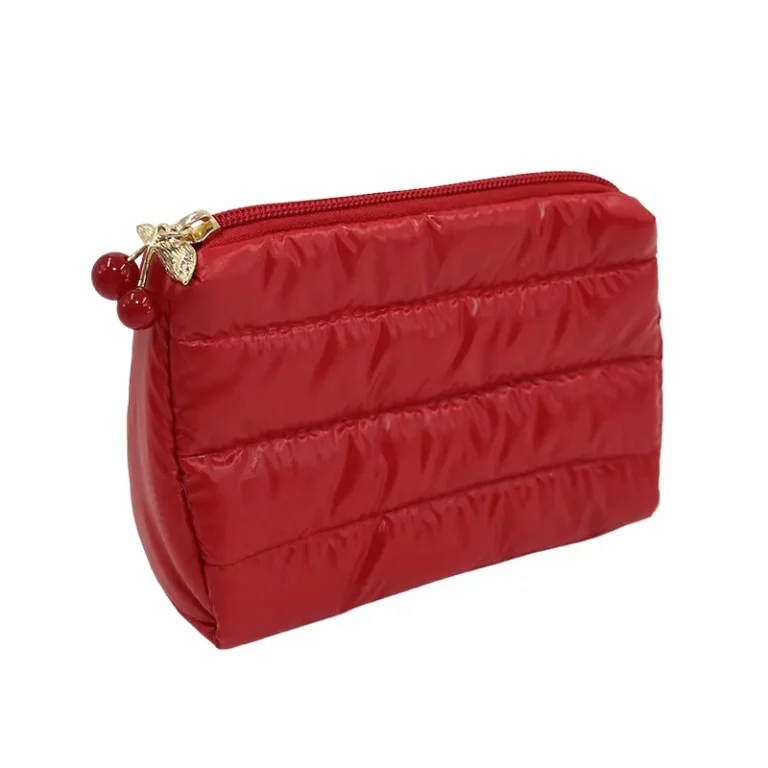
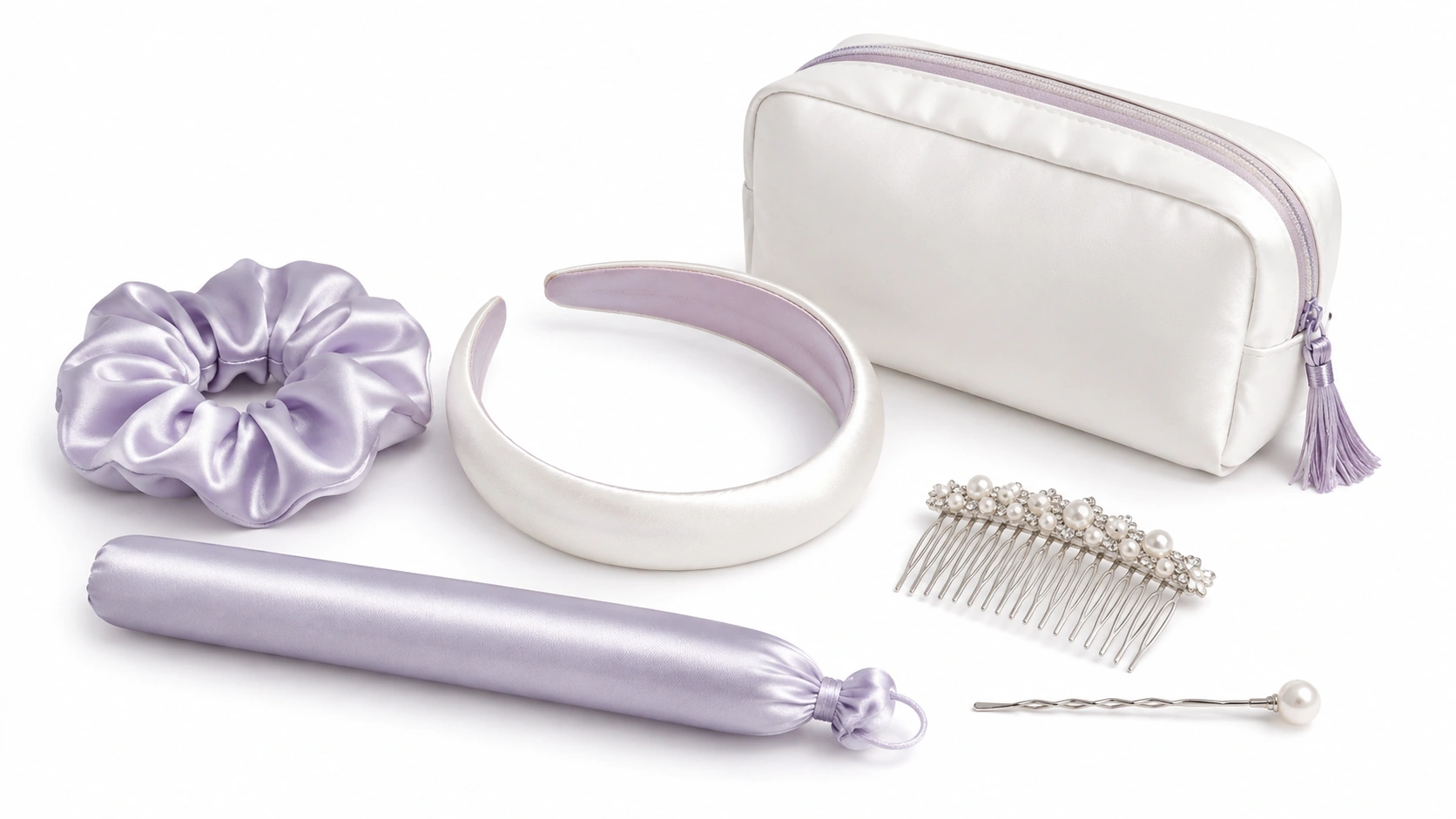
Size planning matters as much as the material. A French twist tool that is too short may not hold thicker hair, while an oversized piece can feel awkward in a compact travel set. Many buyers build assortment ladders around three practical dimensions: a smaller piece for fine hair or decorative use, a mid-size version for everyday wear, and a longer option for stronger hold or salon use. If the product will be bundled into a gift set, the accessory can be paired with a pouch, comb, or mini hair clip to create a more complete set composition.
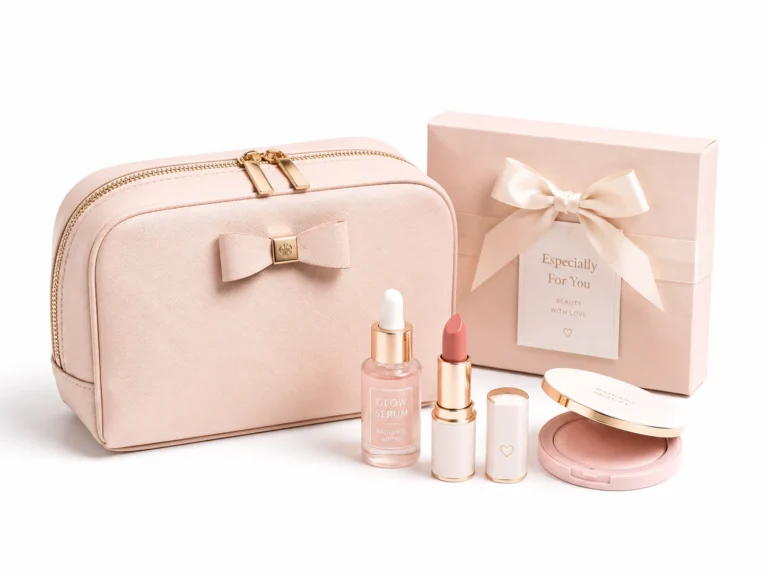
Set combination is often where wholesale value increases. Instead of buying a single pin, brands can request a two-piece or three-piece pack, then position the set as a ready-to-merchandise item. For example, a retailer might choose a French twist pin plus a spare U-pin, while a promotional buyer might prefer a small kit with a pin, a matching storage pouch, and a display card. This makes the item easier to explain, easier to display, and easier to reorder.
For buyers developing private label beauty kits, the safest approach is to match the product structure to the channel first, then decide the decoration level. A fashion retailer may want a polished acetate finish; a hotel amenity program may need simple metal or plastic with reliable grip; a bridal buyer may want pearl accents and a gift-ready box. The product itself does not need to be complicated, but it does need to be consistent.
Custom branding, packaging, and private label presentation options
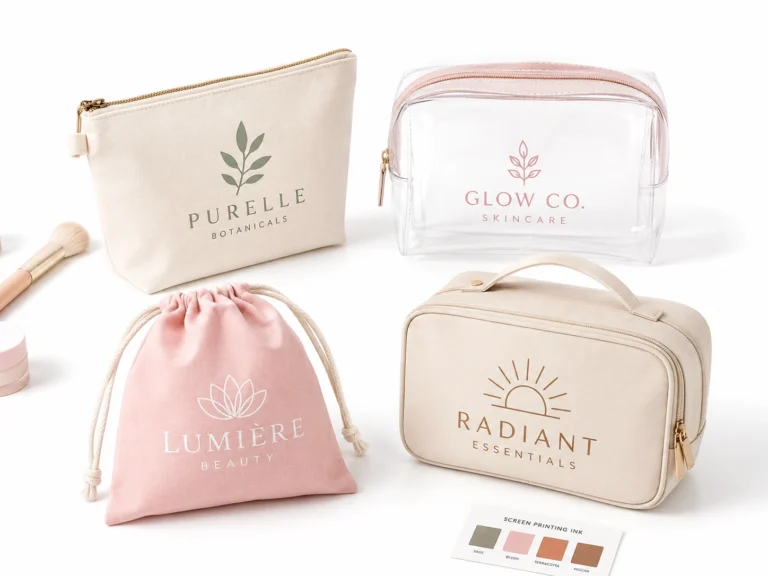
In this category, branding often has more impact than the raw accessory cost. A well-made French twist pin can lose appeal if it is packed loosely, while a modest product can look far more valuable with the right card design and label system. OEM and ODM programs usually focus on three areas: logo application, packaging format, and color management.
Buyers commonly request:
- Custom colors matched to seasonal palettes, brand guidelines, or campaign collections.
- Logo plates, printed cards, woven labels, or hang tags for retail identification.
- Display cards, OPP bags, retail hanging cards, barcode labels, or small gift boxes.
- Multi-piece set packaging that supports shelf appeal and easier bulk handling.
- Gift set presentation for promotions, holiday programs, and influencer seeding.
Packaging choice should follow the channel. A retail hanging card works well for easy merchandising and barcode scanning. An OPP bag may be better for cost control when the item will be inserted into a larger set. A gift box or folded insert can elevate the perceived value when the product is used in a premium box or beauty gift set. Satin, velvet, and organza are also useful as secondary packaging materials when the buyer wants a softer presentation or a more elevated unboxing moment.
Color matching is especially important for private label programs. A custom acetate pin in a muted neutral can feel very different from the same shape in a bright seasonal tone. This is why sampling is more than a formality: it is the point where buyers confirm whether the finish, gloss, transparency, and shade all support the intended retail story. If a brand wants a collection that feels modern and stylist-led, the palette should be concise and repeatable rather than overly broad.
Q&N Fashion Accessory can support buyers who need a cleaner path from concept to packout, especially when the brief includes both styling function and shelf presentation. For a broader view of available formats, buyers can review the category on hair accessories and then narrow the assortment into a French twist program. When the packaging needs to work across different sales channels, a coordinated logo card, barcode label, and display set can make the line easier to launch and easier to replenish. If you want to start from the company site, visit Q&N Fashion Accessory.
How to evaluate suppliers: MOQ, samples, lead time, and QC
When comparing wholesale suppliers, buyers should look beyond unit price. A French twist accessory may seem simple, but it can fail in the market if the grip is weak, the finish is rough, or the color shifts from one replenishment to the next. The supplier evaluation stage should therefore cover sample quality, production stability, and packaging control, not just catalog appearance.
Practical buyer decision factors usually include the following:
- Grip strength and user comfort, especially for products designed to hold a twist securely throughout the day.
- Finishing quality, including smooth edges, clean plating, and consistent polish on visible surfaces.
- Color consistency across the first order and the reorder, particularly for acetate, resin, and coated metal.
- MOQ structure, mold cost, and whether the supplier can support a small test run before volume scaling.
- Packaging accuracy, because card placement, logo alignment, and barcode labeling affect retail readiness.
Sampling should be treated as a functional test, not just a visual approval. Buyers should confirm how the pin feels in hair, whether the shape slips on fine strands, and whether the accessory still holds well after repeated use. If custom tooling is required, the buyer should ask about mold cost, tooling timeline, and what level of revision is allowed before mass production starts. This is especially important for ODM projects, where the supplier may be adjusting a shape for a specific market or display standard.
Lead time should be assessed in two stages: sample lead time and bulk production lead time. A fast sample is useful, but it does not replace a realistic production schedule. Buyers should also ask how the supplier manages color approvals, pre-production checks, and in-line inspection. For repeat orders, the key question is not whether the first batch looks good; it is whether the second batch can match it. That is where documented QC steps matter.
If you are evaluating several factories, compare them on the same template: material confirmation, logo proofing, sample approval, production schedule, inspection process, and reorder stability. Buyers serving salon retail or gift programs should also request packaging photos before shipment, because packout errors are expensive when the order is already in motion. In category terms, the guidance from sources like Grand View Research and FashionUnited is useful: hair accessories work best as repeatable, shelf-friendly products with controlled presentation, not as one-off novelties.
Practical sourcing recommendations for buyers
For a new French twist program, start with a small but intentional SKU mix. One entry-level metal pin, one premium acetate version, and one decorated style for gift or bridal use can often cover multiple buyer segments without overcomplicating the assortment. Keep the pack logic simple. Buyers usually prefer a line that is easy to explain, easy to price, and easy to reorder.
It also helps to separate product decisions from packaging decisions. First confirm the holding function, shape, and finish. Then choose the retail card, logo method, and protective pack. This sequence reduces revision cycles and keeps MOQ planning under control. If a collection is intended for travel kits or beauty gift sets, consider adding a coordinated pouch or display insert so the French twist accessory feels like a complete kit rather than a loose add-on.
When comparing wholesale beauty accessory suppliers, ask for samples early, approve the color standard before bulk production, and confirm what will happen if one finish batch drifts from the approved swatch. Small details matter here because the category sells on perceived quality. A clean edge, a stable curve, and a balanced package format can do as much for conversion as a larger marketing budget.
Q&N Fashion Accessory is a useful sourcing partner for buyers who want this kind of practical development approach without losing sight of presentation. To explore broader product possibilities, review the hair accessories category and use the homepage as a starting point for wholesale discussion at https://blaccessory.com/. The most effective programs are usually the ones that balance function, packaging, and repeat-order reliability from the beginning.
Frequently Asked Questions
What clip do you use for a French twist?
For wholesale product planning, the most common choices are U-shaped pins, French pins, and hair forks. A U-shaped pin is the simplest option when the buyer wants a classic hold with a minimal profile. Hair forks can offer stronger anchoring for thicker hair, while decorative pins work well for gift sets or fashion-led collections. The right clip depends on the target user, but the B2B rule is consistent: the shape should support secure hold first, then visual appeal.
What is the hair tool for French twist?
The main tool is usually a French pin or U-shaped hair pin, although some retailers also use combs, hair sticks, or decorative barrettes in related assortment stories. For sourcing, the best tool is the one that matches your channel. A salon buyer may prefer a plain metal version with high grip, while a gift buyer may prefer a decorated acetate or pearl style. The tool should be chosen for function, then adapted with packaging and branding for the final market.
What is needed for a French twist?
At minimum, a French twist needs a secure holding accessory, a stable shape, and enough length or tension to keep the hair in place. In a retail or OEM context, that means confirming material, finish, and size before production. Many buyers also add a backing card, barcode label, or small pouch so the product is ready for display. If you are building a bundled beauty set, one pin plus a matching storage piece is often enough to create a complete offer.
How to get a French twist to hold?
Hold depends on both the design and the user experience. A pin with strong grip points, smooth edges, and the correct curve is more likely to stay in place. From a sourcing perspective, ask for sample testing on different hair textures and lengths, and confirm whether the product slips, bends, or loses tension after repeated use. For bulk buyers, QC matters here because a weak hold can create returns even when the accessory looks good in photos.
Which material is best for a wholesale French twist accessory?
There is no single best material for every program. Metal usually works best for grip and durability. Acetate and resin are useful when the collection needs color variation and a more premium finish. Plastic can work for entry-level or promotional sets if the molding and finishing are clean. Pearl and rhinestone details are best reserved for bridal or gift-led packs. The right choice depends on target price, packaging plan, and the look you want on the shelf.
Can I private label French twist hair accessories for retail sets?
Yes, and this is often the strongest commercial model for the category. Private label programs can include custom color, logo plates, printed cards, woven labels, hang tags, and gift box packaging. If you want to build a broader assortment, start from the category page on Q&N Fashion Accessory and define whether the set is meant for salon retail, travel kits, or beauty gifts. That decision will shape MOQ, pack count, and the best QC checklist for production.