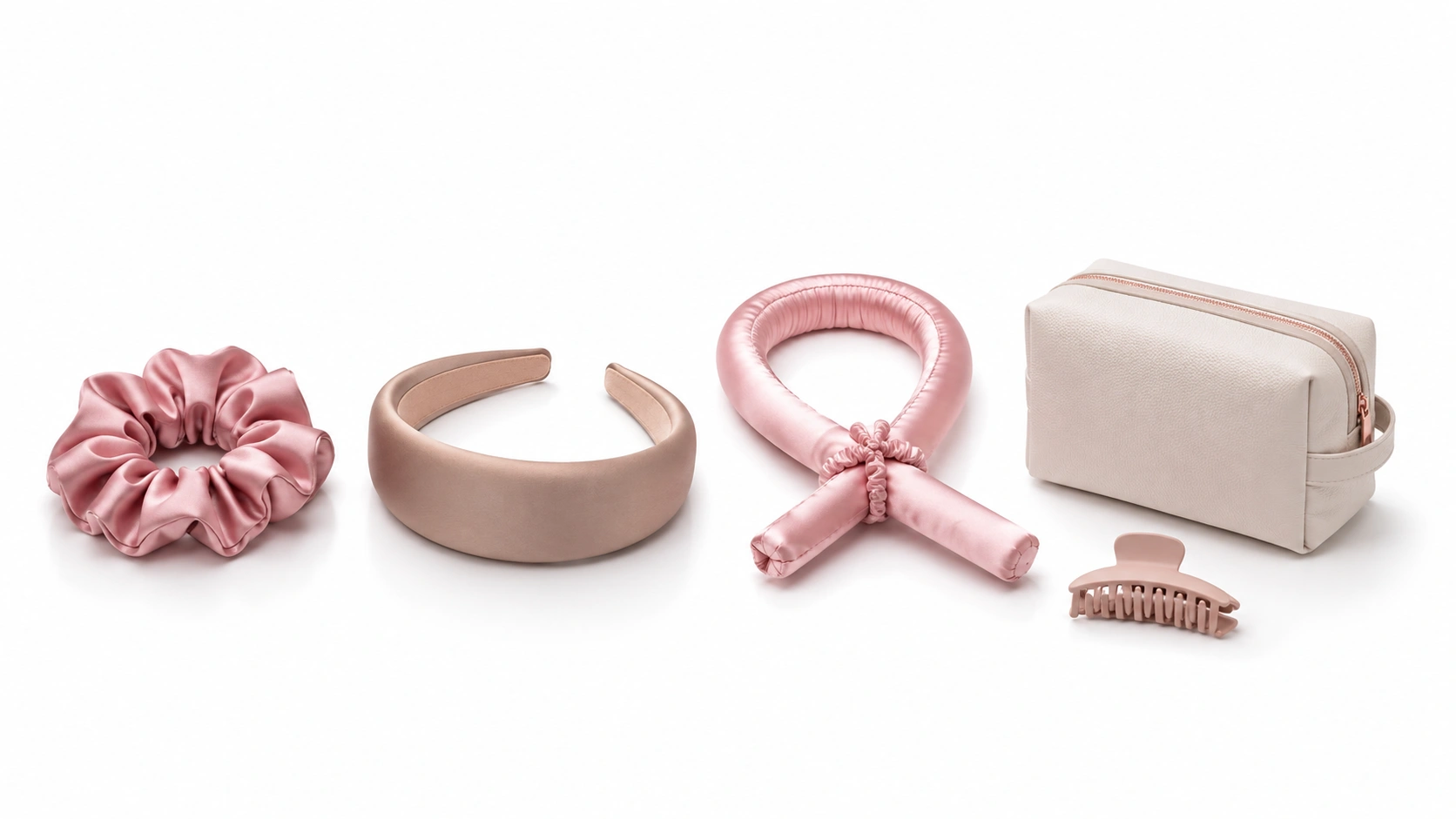
A single updo tool can look like a small purchase item, but for brand buyers, it often becomes a packaging and merchandising challenge. When a hair accessory for french twist is sold loose, it can feel low value. When the same item is developed as part of a coordinated retail set, travel beauty organizer, or giftable accessory pouch, it becomes easier to position for boutiques, beauty chains, salon retail, travel kits, and seasonal promotions. That is why buyers sourcing French updo accessories are not just comparing pins, combs, clips, and barrettes. They are evaluating materials, finishing, color stories, display presentation, MOQ, and whether the supplier can support repeat programs with stable quality.
The recent popularity of easy updo styling, quick French hairstyles, and low-maintenance beauty routines has also changed what overseas buyers look for. A product that helps create an easy French twist can be merchandised as a fashion accessory, a beauty add-on, or part of a broader accessory gift set. For importers, private label brands, and retail buyers, the commercial question is simple: which product structure and packaging format will make these hair pins, combs, clips, or twist tools more scalable in wholesale channels?
Article Outline
- Why French twist hair accessories matter in current retail and gift set demand
- Product types, materials, and set combinations for French twist styling
- Customization, packaging, and private label options for branded hair accessory programs
- How buyers should evaluate suppliers on MOQ, sampling, lead time, and quality control
- Practical sourcing recommendations for wholesale French twist hair accessory development
Why French twist hair accessories matter in current retail and gift set demand
For B2B buyers, demand for French twist accessories is linked to a wider shift toward versatile beauty items that are compact, giftable, and easy to explain at retail. A French updo accessory does not require a large shelf footprint, yet it can support strong visual storytelling. Buyers can position it around easy workday styling, occasion hair, travel beauty convenience, or elevated everyday looks. This makes the category suitable for fashion retailers, beauty accessory brands, salon stores, promotional gift buyers, and curated holiday programs.
Another important factor is that French twist styling works across several product formats. Some consumers prefer hair pins, others need a French twist claw clip, comb, barrette, or hidden support tool. For buyers, that flexibility opens up multiple price bands and packaging concepts. A lower entry program may focus on a carded pin set. A mid-range launch may combine a clip and styling comb. A premium set may include pearl or resin pieces in a pouch or gift box.
There is also a practical merchandising advantage: small hair accessories can be grouped with beauty organizers, cosmetic add-ons, and travel-ready personal care items. This matters because many buyers are no longer sourcing a single unit only; they are developing display-ready sets that improve perceived value and average order size. Fashion media and trend platforms such as FashionUnited often highlight how accessories move with broader styling trends, while market tracking sources like Statista can help buyers understand the resilience of beauty and fashion add-on categories in retail planning.
From a sourcing perspective, buyers usually compare this category using five decision factors:
- Whether the product can hold different hair volumes, including SHORT hair and medium-length styles
- Whether the finish looks clean enough for retail presentation and private label positioning
- Whether the packaging can support hanging display, gift set use, or e-commerce fulfillment
- Whether colors and material textures can align with seasonal fashion stories
- Whether repeat orders can maintain grip strength, plating consistency, and assembly quality
These points are especially important when the goal is not just to sell one item, but to build a scalable accessory line around easy French hairstyles and polished updo solutions.
Product types, materials, and set combinations for French twist styling
The best product structure depends on the target market and how the item will be sold. A hair accessory for french twist can take several forms, and each one answers a different retail need. Buyers should think in terms of user scenario, hair type, price point, and packaging efficiency rather than searching for one universal design.
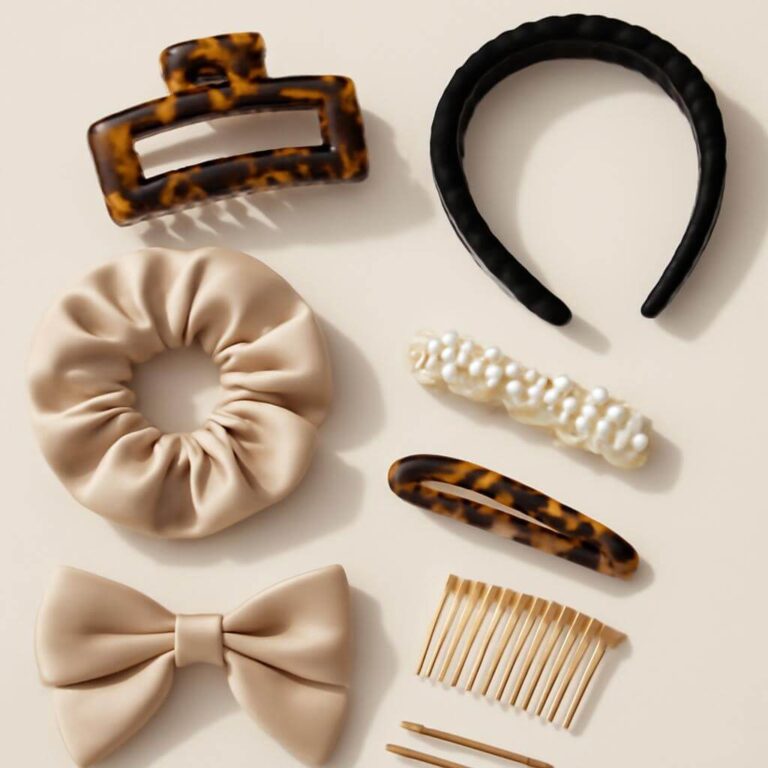
Common wholesale product options include hair pins, U pins, twist combs, claw clips, hidden support clips, decorative barrettes, and compact hair combs. For entry-level programs, simple metal pins or combs can be packed on display cards. For trend-focused fashion channels, acetate, resin, pearl, or rhinestone pieces usually create stronger visual appeal. For softer gift presentation, satin, velvet, or organza elements may be added through accessory pouches or coordinated set packaging.
- Metal hair pins and combs: suitable when grip strength and function come first, especially for classic updo and salon-oriented programs
- Acetate and resin clips: preferred for fashion collections where pattern, gloss, and color variation help increase shelf appeal
- Plastic support clips: often used for cost-controlled volume projects and lightweight travel accessory lines
- Pearl or rhinestone decorated pieces: suited to bridal, occasion, holiday, or gift set development
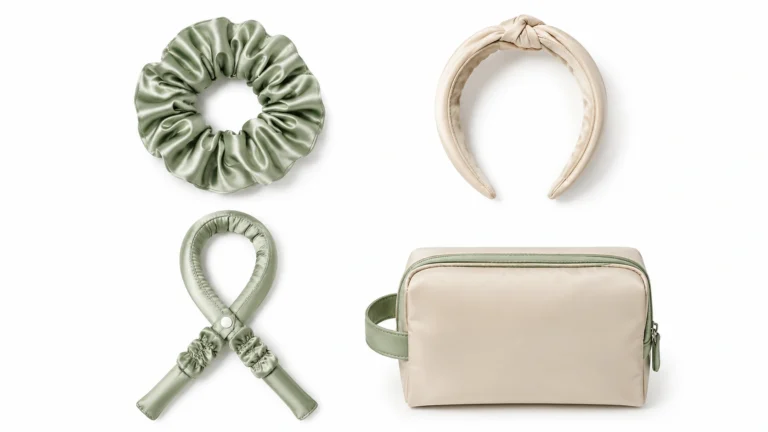
- Satin, velvet, or organza packaging pairings: useful when the item is positioned as a presentable fashion gift rather than a basic utility piece
Set combination planning is equally important. A single clip may work for mass replenishment programs, but curated sets are often easier to brand and merchandise. Buyers can develop:
- 2-piece French twist sets with one clip and one comb
- 3-piece styling kits with pins, comb, and storage pouch
- Travel beauty organizer sets combining hair tools with cosmetic mini accessories
- Giftable fashion sets with decorative barrette, twist tool, and branded card packaging
- Salon checkout sets with practical hold items in simple OPP bag or hanging card format
Size and structure should be based on the intended user group. If the target is thick hair, buyers should request stronger spring construction, longer pin length, or wider comb spacing. If the target is short hair or light hold styling, smaller clips and slim pins may be more appropriate. One common sourcing mistake is selecting a fashionable silhouette without testing actual hold performance on multiple hair types.
Material selection also affects production cost and consistency. Acetate and resin can produce a more premium look, but color matching and pattern repeat should be checked carefully during sample review. Metal components require attention to smooth edges, plating durability, and weld integrity. Plastic parts can reduce cost, yet mold quality and surface finishing become critical if the buyer wants a clean private label presentation.
For many importers, the most reliable path is to build a range with two or three functional tiers: basic hold items, decorative fashion pieces, and packaged gift sets. This structure gives flexibility across retail channels and reduces the risk of overcommitting to one narrow SKU concept.
Customization, packaging, and private label options for branded hair accessory programs
In this category, customization often has more influence on commercial success than the accessory itself. Buyers sourcing French twist products for private label need packaging that explains function, supports display, and creates a more giftable impression. Without that layer, the product can appear generic even if the styling concept is strong.
Typical private label development includes custom color planning, logo plate application, card packaging, woven labels for pouches, hang tags, barcode labels, and display set assembly. A branded program can be very simple, such as a logo on a retail hanging card, or more developed, such as a multi-piece set in a gift box with coordinated color names and styling instructions.
For B2B buyers, the most practical packaging formats are usually:
- Display cards for pins, combs, and slim clips sold in open retail environments
- Retail hanging cards when fast shelf replenishment and barcode scanning are priorities
- OPP bags for promotional distribution, bundled sets, or cost-sensitive channels
- Gift boxes for premium accessory launches, holiday collections, or influencer mailer sets
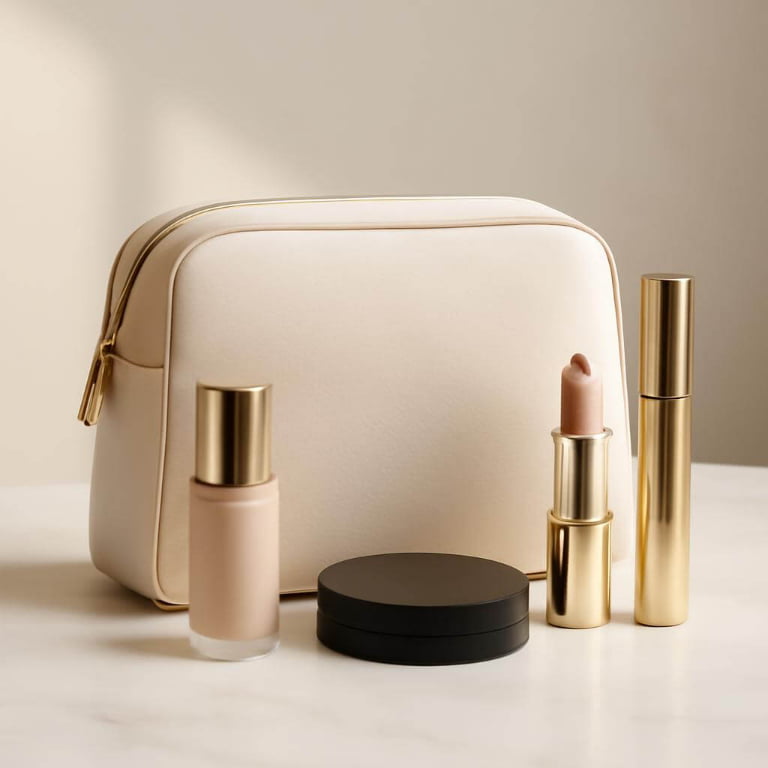
- Small pouches or beauty organizer bags when the brand wants to add travel or storage value
Packaging should be aligned with the price architecture. A low-cost product usually benefits from clean card packaging with strong product visibility. A fashion-led assortment may need color-matched cards and metallic foil branding. A more elevated presentation can include a compact custom cosmetic accessory pouch or travel beauty organizer concept, especially when the accessory is bundled with other beauty items.
This is where the broader packaging expertise of a supplier matters. A buyer may start with hair clips or hair pins, but later expand the line into beauty gift set packaging, hair accessory storage bag formats, or coordinated organizer pouches. A supplier such as Q&N Fashion Accessory can support that transition by aligning accessory development with display packaging and storage concepts rather than treating the item as an isolated component. Buyers exploring broader accessory development can review product direction at https://blaccessory.com/hair-accessories/.
Branding details that deserve extra attention include logo readability on small parts, hardware color consistency, insert card clarity, and whether the packaging tells buyers how the item will create an easy updo or French twist. Since the category often relies on visual understanding, even a simple line drawing or usage note can improve retail conversion. The point is not to overpackage, but to create enough structure that These Hair accessories feel like a complete branded solution rather than loose components.
How buyers should evaluate suppliers on MOQ, sampling, lead time, and quality control
Supplier comparison in hair accessories should go beyond quotation sheets. Many issues in bulk production appear only after sampling or after the first reorder. That is why experienced buyers evaluate a factory or trading supplier based on process control as much as on price.
Start with MOQ and development logic. If the design uses new molds, customized acetate patterns, special plating, or decorative pearl and rhinestone arrangements, buyers should clarify whether mold cost applies, how many colors can be produced per order, and whether mixed-color runs are possible. A slightly higher MOQ can be acceptable if the supplier offers better consistency across repeat orders.
Sampling is the next key stage. Buyers should request confirmation on:
- Grip strength for intended hair density and style use
- Edge finishing so pins, combs, or clips do not snag hair
- Color consistency against approved references
- Decorative attachment security for pearls, stones, or logo plates
- Packaging fit, barcode placement, and display card hole positioning
Lead time should be discussed in separate phases: sample development, sample revision, bulk production, and packaging assembly. Hair accessory programs often look simple, but production can slow down when multiple materials are involved or when custom packaging is assembled by hand. For example, a plain carded metal pin set is very different from a resin clip packed with a branded pouch and gift box.
Quality control for this category should include both visual and functional checks. Visual checks cover scratches, plating marks, uneven color, excess glue, and print alignment. Functional checks cover spring tension, comb tooth smoothness, pin firmness, and whether the accessory actually holds a French twist in practical testing. For bulk importers, it is wise to approve a golden sample and use it for pre-production and final inspection reference.
Four sourcing insights are especially useful here:
- Products that look premium online can fail at retail if grip strength is weak, so function testing should be part of approval
- Small accessory items often face high return risk when finish quality is inconsistent, because defects are easy to spot at close range
- Packaging assembly can create more delays than component production, especially for multi-piece display sets
- Reorders are smoother when color standards, plating references, and packing method are documented early
- Mixed-material styles need extra QC because resin, metal, faux pearl, and textile components can age differently in transit
When comparing wholesale beauty packaging suppliers or accessory partners, buyers should ask whether the supplier can scale from first sampling into repeat seasonal programs without changing core quality. That stability often matters more than finding the lowest initial price.
Practical sourcing recommendations for wholesale French twist hair accessory development
For buyers building a wholesale French twist range, the strongest approach is usually to start from channel strategy rather than design trend alone. If the program is for fashion retail, focus on trend color, finish, and giftable packaging. If it is for salon or beauty chain distribution, prioritize hold performance, card clarity, and replenishment-friendly SKU structure. If the line is for promotional or seasonal gifting, set combination and presentation may matter more than single-item margin.
In practical terms, buyers should narrow development using the following steps:
- Select one core functional style such as pins, combs, or a French twist claw clip
- Add one decorative material direction such as acetate, resin, pearl, or rhinestone
- Choose a packaging level: display card, OPP bag, hanging card, gift box, or storage pouch
- Confirm MOQ by color and style before artwork approval
- Test holding power on different hair types, including SHORT hair where stability can differ
It is also smart to avoid overbuilding the first assortment. A compact launch with three to five SKUs often gives buyers enough market feedback without creating unnecessary mold, packaging, and stock complexity. For brands that plan to expand later, it helps to work with a supplier that already understands beauty accessory packaging, set assembly, and organizer-based presentation. Q&N Fashion Accessory is relevant in that context because the company focus connects fashion accessories with broader packaging and travel-ready set development. Buyers can explore general capabilities at https://blaccessory.com/.
Finally, think beyond the search phrase best hair accessory for french twist. In B2B sourcing, the better question is which accessory and packaging combination will hold up operationally across merchandising, logistics, and repeat orders. A supplier such as Q&N Fashion Accessory can support buyers who want to turn a simple updo item into a more complete retail-ready or gift-ready accessory program, especially when packaging, branding, and reorder discipline are part of the sourcing brief.
Frequently Asked Questions
What do I need for French twist hair?
From a product development standpoint, buyers usually need more than one option because end users have different hair lengths and thickness levels. A wholesale assortment may include hair pins, a comb, a support clip, or a French twist claw clip depending on the target market. For private label programs, it is also useful to include display card packaging or a small pouch so the item feels complete at retail. The right answer is not one single component, but a tested combination of hold function, attractive finish, and suitable packaging.
What clip for French twist works best for wholesale retail programs?
The best clip depends on channel positioning. For value retail, lightweight plastic or metal-supported clips can be efficient. For fashion-led collections, acetate or resin clips often offer better shelf appeal. For occasion wear, pearl or rhinestone accents may increase gift value. Buyers should compare grip strength, spring quality, size, and visual finish before choosing the final style. It is also wise to test the clip on both medium and thicker hair to confirm actual hold performance.
How do you hide the clip in a French twist, and why does that matter for product design?
The clip is usually hidden by twisting and folding the hair over the support point, which means the accessory must sit securely without creating visible bulk. For B2B buyers, this affects product design directly. Slimmer profiles, smooth edges, and balanced spring tension often perform better when the accessory needs to stay concealed. Decorative elements should be placed carefully so they enhance style without interfering with the structure of the updo.
How to get a French twist to hold when developing a private label accessory line?
Holding power comes from a mix of structure, material, and size. Buyers should review tooth spacing on combs, pin thickness, clip spring tension, and the smoothness of contact surfaces. It is not enough for the item to look attractive in sample photos. Functional testing should be included in sample approval, especially if the line will be marketed around easy updo use. Bulk quality control should then confirm that grip strength remains consistent from the approved sample to final production.
What MOQ should buyers expect for custom French twist hair accessories?
MOQ varies based on whether the buyer selects stock components or fully customized development. A simple color variation with standard packaging may allow a lower starting quantity. New molds, custom acetate patterns, logo plates, or gift box assembly usually increase MOQ or add development cost. Buyers should also ask whether MOQ is per style, per color, or per packaging format, because this has a major impact on launch planning and inventory control.
Can a supplier help combine French twist accessories with branded packaging or organizer concepts?
Yes, and this is often where the strongest B2B value is created. Instead of sourcing a loose accessory only, buyers can develop carded sets, gift box presentations, or small storage and travel formats that improve perceived value. For brands expanding from hair items into broader accessory packaging, it helps to work with a partner that understands both product and presentation. Buyers can review available direction and contact options through https://blaccessory.com/ when planning a coordinated wholesale or private label program.