Many buyers discover the same problem after a few sampling rounds: a French twist accessory may look elegant in product photos, but bulk orders can fail on grip strength, metal tension, surface finishing, or packaging presentation. For retailers, salon suppliers, fashion brands, and private label importers, the right hair accessory for French twist styling is not just a beauty item. It is a functional product category that must combine hold, comfort, appearance, and repeatable production quality.
The renewed interest in easy updo styling has kept French twist tools relevant across premium boutiques, occasionwear collections, salon add-ons, and fashion accessory assortments. Buyers are no longer sourcing only basic bobby pins. They are comparing French hair pins, U pins, barrettes, combs, hidden twist clips, claw-clip adaptations, and decorative updo pieces that can support both daily wear and dressy styling. For overseas B2B buyers, success depends on choosing the right construction, material, packaging format, and supplier workflow from the beginning.
For companies building a private label line, the category also offers strong variation potential. A single French twist concept can be developed into minimalist metal pins, acetate combs, faux pearl barrettes, rhinestone evening pieces, or satin gift-packed sets. Buyers exploring https://blaccessory.com/ and https://blaccessory.com/hair-accessories/ typically want this type of flexibility: products that fit trend direction while staying practical for wholesale production.
Why French Twist Accessories Matter in Wholesale Hair Accessory Sourcing
A French twist is a classic hairstyle, but from a B2B perspective it represents a broader demand for secure updo solutions. Retailers often use it as a merchandising theme because it connects with bridal hair, office styling, formal events, seasonal gifting, and timeless fashion looks. That makes the keyword cluster around French twist, easy updo, and hair pins commercially useful for buyers seeking versatile SKUs rather than one-off novelty items.
There are several sourcing reasons this niche matters:
- It bridges fashion and function, which helps improve repeat purchase potential.
- It supports tiered collections, from entry-level plastic or metal pins to premium acetate and embellished pieces.
- It works well in carded retail displays, gift sets, and salon counter programs.
- It allows seasonal recoloring without changing the core structure.
- It fits both OEM and ODM development, especially for private label accessory brands.
From a buyer’s standpoint, the market opportunity is not limited to one product called a French twist pin. Instead, it includes all accessories that help create or secure this updo: U-shaped pins, hidden comb clips, side combs, claw clip adaptations, structured barrettes, bobby pins, and decorative hair combs. This wider view is important because consumers often search with different terms such as easy tutorial updo tools, French twist comb, French twist claw clip, or hair pins for chic updos.
Neutral fashion and market sources such as FashionUnited, Statista, and Grand View Research can be useful for understanding broader accessory demand and apparel retail trends, but practical supplier evaluation still comes down to product execution. In this category, even small differences in spring tension, pin thickness, edge polishing, or pearl attachment can affect sell-through and customer satisfaction.
One common sourcing insight is that decorative appeal should never outweigh hold performance. Buyers sometimes approve a beautiful sample with rhinestone or pearl detailing, only to find the final item cannot keep medium or thick hair in place. Another frequent issue is underestimating finish quality. For French twist accessories, rough edges or poorly coated metal can catch hair, which quickly leads to complaints. A third issue is merchandising mismatch: elegant updo accessories often sell better when offered on premium display cards rather than bulk-packed generic bags.
Product Types, Materials, and Design Details Buyers Should Compare
When building a wholesale range around the French twist category, buyers should break the assortment into functional groups. Each group serves a different end market, price point, and packaging need.
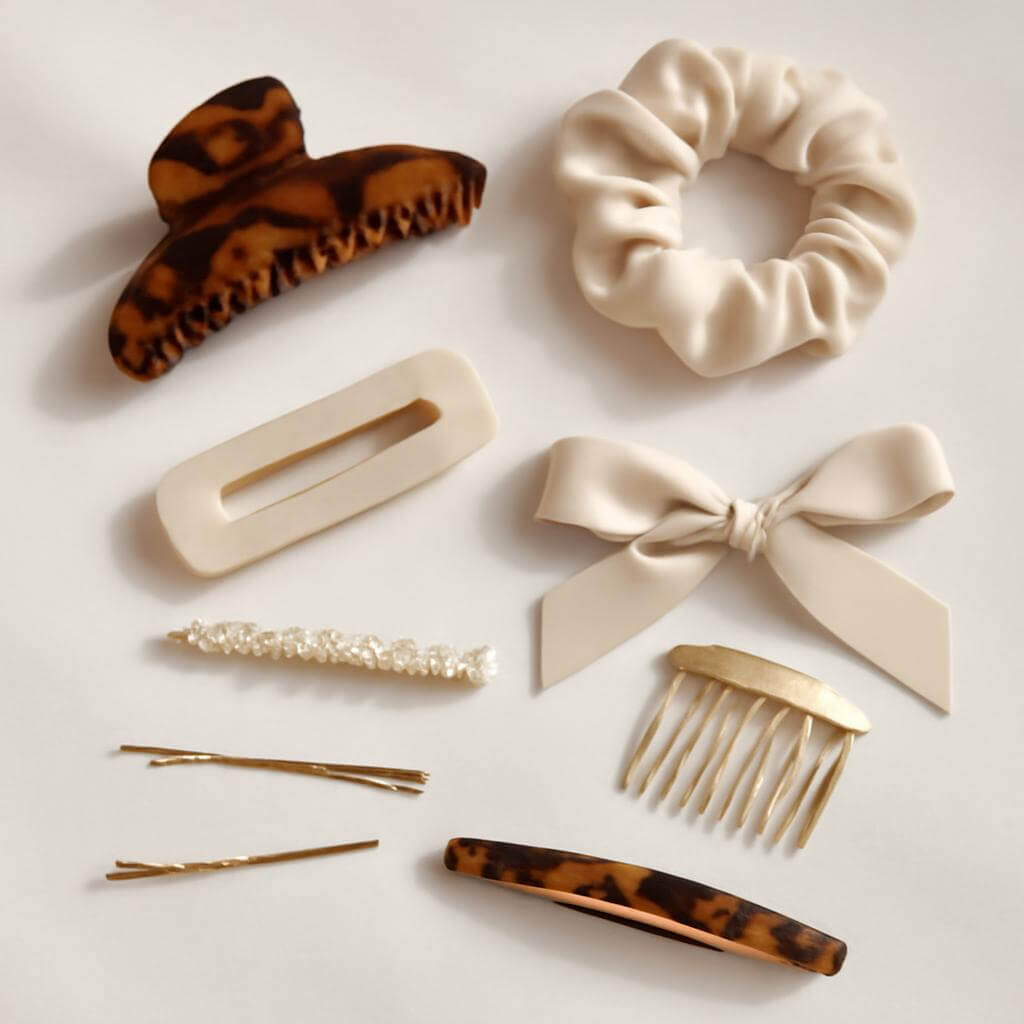
Common product types include metal U pins, French hair pins, hair combs, decorative barrettes, twist-support clips, slim claw clips, and reinforced bobby pins. For a simple easy updo assortment, metal pins and combs are often the most practical starting point because they offer broad compatibility across hair types. For fashion retailers, decorative barrettes, faux pearl combs, and rhinestone-accented pieces may create stronger visual impact at retail.
Material choice has a direct effect on performance, cost, and brand positioning:
- Metal: widely used for U pins, bobby pins, hidden twist supports, and structural combs. Buyers should review hardness, elasticity, coating adhesion, and tip finishing.
- Acetate: suitable for premium combs, side clips, and decorative twist accessories. It gives a more elevated appearance and supports custom tortoise, marble, or seasonal color effects.
- Resin and plastic: useful for molded combs, lightweight clips, and cost-sensitive programs. Mold precision and color consistency are critical.
- Faux pearl and rhinestone: often added to bridal or occasion-focused updo accessories. Attachment method matters; loose embellishments create high defect risk.
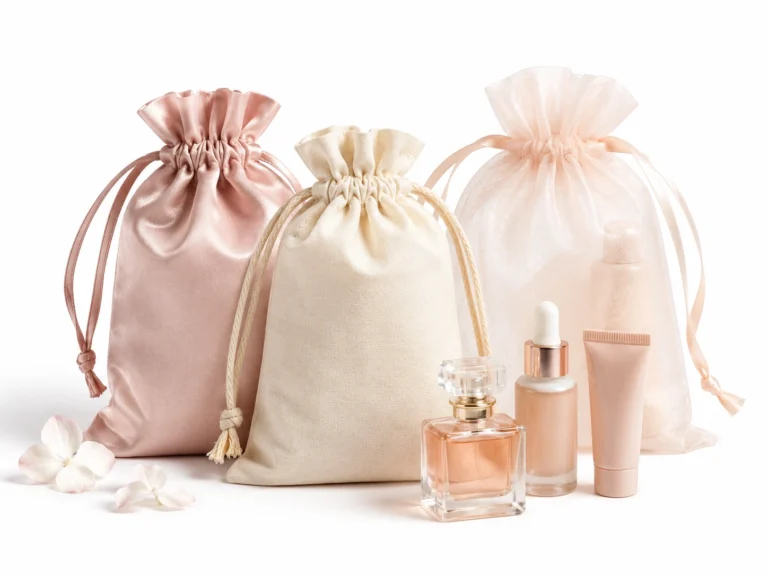
- Satin, velvet, and organza: relevant when French twist accessories are bundled in gift sets or paired with scrunchies, bows, or soft-textile fashion pieces in coordinated collections.
For design approval, buyers should look beyond appearance and assess the technical details that affect wearability. In metal pins, diameter and flexibility determine whether the pin can slide in easily while still securing the hair. In combs, tooth spacing and tooth smoothness influence grip and comfort. In clips, hinge tension and closure alignment are essential. For decorative items, stone setting, faux pearl bonding, and plating durability should be reviewed in both sample and pre-shipment stages.
A practical sourcing example: a buyer may request a French twist comb in glossy acetate with faux pearl trim for a holiday assortment. The attractive sample may pass visual review, but if the comb teeth are too short or the pearl strip is too heavy, the accessory may tilt or slip during wear. Another buyer may select a thin metal U pin for minimalist styling, but if the wire gauge is too light, the item bends easily during use and loses shape in retail handling. These are common issues that should be tested early.
Buyers should also consider the target hair type. Accessories promoted for short hair, thick hair, or long hair need different structural solutions. A French twist claw clip for long hair usually requires wider capacity and stronger spring action than a slim clip meant for finer hair. A French twist comb for short hair may need compact dimensions but better anchoring teeth. If a supplier cannot clearly explain these differences, product development may rely too heavily on appearance alone.
Customization, Packaging, and Private Label Opportunities
For buyers developing private label hair accessories, French twist products offer strong branding potential because the styling concept feels polished and giftable. A supplier can support this category through OEM and ODM options that adapt one core structure into multiple finishes, colors, and packaging programs.
Typical customization options include custom color matching, logo plate addition, laser logo on metal parts where suitable, woven labels for textile-accompanied sets, branded hang tags, and coordinated display cards. Retail packaging can be as important as the product itself, especially in accessories positioned as chic, easy updo solutions rather than basic utility pins.
Packaging formats often include:
- Display card for retail hanging presentation
- OPP bag for cost-efficient bulk packing
- Retail hanging card with barcode label for chain stores
- Gift box for premium occasionwear or seasonal sets
- Display set for coordinated collections featuring combs, pins, scrunchies, or bows
Color planning also deserves more attention than many buyers expect. French twist accessories are frequently sold in neutral tones, tortoise effects, metallics, and occasion shades such as black, champagne, ivory, pearl, rose gold, and soft seasonal colors. Consistency matters, especially when a buyer is building a larger collection that includes claw clips, headbands, barrettes, hair bows, or scrunchies in the same palette. Reorder stability is a major B2B buying factor, particularly for private label programs.
Another key point is assortment building. Instead of sourcing one isolated item, many buyers create a small story around the French twist theme. For example, a line may include slim metal U pins, a decorative barrette, a faux pearl comb, and matching bobby pins on a shared display concept. This approach increases average order value and gives retailers more flexibility in visual merchandising.
Q&N Fashion Accessory can support buyers looking for this type of coordinated development, where product style, packaging, and bulk production requirements need to align. Buyers comparing sourcing partners should ask whether the supplier can handle mixed materials, card packaging, color continuity, and pre-production approval across several SKUs in one launch.
When preparing private label samples, smart buyers usually request at least the following: one function-first sample for hold testing, one packaging mockup, and one confirmed color standard for production matching. This lowers the risk of approving a stylish sample that cannot scale smoothly in bulk manufacturing.
How B2B Buyers Should Evaluate Suppliers for French Twist Accessories
Supplier evaluation in this category should be disciplined. A visually attractive sample is not enough. Buyers need to assess whether the factory can repeatedly produce secure, clean-finished accessories with stable packaging and dependable lead times.
The first decision factor is MOQ. Metal pins and simple bobby pins may support lower minimums, while custom acetate, resin molding, or special embellishment programs may involve higher MOQ or mold-related setup costs. Buyers should clarify whether MOQ applies per color, per style, or per assortment. This is especially important for seasonal color programs.
The second factor is sample approval workflow. For French twist items, a sample should be checked for grip strength, insertion comfort, decorative durability, and packaging execution. If a style requires hidden placement in the hair, the structure should be evaluated for visual discretion as well as hold. Sample comments should be documented clearly, especially on dimensions, finish color, and plating or coating standards.
The third factor is lead time and material availability. Acetate sheets, resin color matching, metal plating schedules, and embellishment attachment steps can all affect production timing. Buyers planning promotional launches or bridal-season collections should confirm realistic lead times rather than relying on generic estimates.
The fourth factor is QC discipline. Reliable quality control in this category usually includes checks on spring tension, comb tooth smoothness, burr-free edges, plating consistency, embellishment security, logo placement, packaging accuracy, and carton packing. Random pull tests or basic wear tests can be valuable for decorated products. A supplier should also understand defect thresholds for retail presentation, because scratches or glue marks are highly visible on hair accessories.
The fifth factor is communication and reorder consistency. The best supplier relationships are built when the factory can maintain material references, approved color standards, packaging specifications, and production notes for future repeats. This is often more valuable than chasing the lowest initial cost.
For buyers evaluating Q&N Fashion Accessory or any comparable sourcing option, it is worth reviewing how they manage mixed-material accessory collections and whether they can support both straightforward wholesale needs and more customized private label development through https://blaccessory.com/. In practical terms, the right partner should be able to discuss mold cost when needed, explain finishing differences, recommend packaging solutions, and help reduce risk before full bulk production begins.
Strategic Recommendations for Buyers Building a French Twist Accessory Line
Buyers entering this niche should avoid treating the category as a single-product trend. A stronger strategy is to build a practical assortment architecture around function, finish, and price tier. Start with one reliable core item, such as a metal French hair pin or structured comb, then extend into premium versions using acetate, faux pearl, resin, or rhinestone detailing.
It is also wise to separate fashion-driven SKUs from carryover basics. A carryover line can include black, gold-tone, tortoise, and pearl-accented styles with stable reorder potential. Seasonal drops can then introduce trend colors, velvet gift packaging, organza presentation, or limited-edition display cards without disrupting the core range.
Three strategic moves often help B2B buyers reduce risk:
- Test hold performance on multiple hair types before approving decorative upgrades.
- Invest in retail-ready packaging if the target channel relies on visual merchandising.
- Keep a documented approval file for color, finish, logo, and packaging to protect reorder consistency.
For buyers developing private label accessory lines, a supplier such as Q&N Fashion Accessory can support assortment planning that links French twist pieces with adjacent categories like claw clips, barrettes, headbands, scrunchies, hair bows, and combs. This creates a more complete wholesale program and strengthens brand presentation across channels.
Ultimately, the best hair accessory for French twist styling in B2B terms is the one that balances secure hold, attractive design, production feasibility, and retail presentation. Buyers who evaluate material selection, grip strength, finishing quality, packaging, MOQ structure, and QC process together are more likely to build a profitable and repeatable product line.
Frequently Asked Questions
What do I need for French twist hair?
From a sourcing perspective, the answer depends on the desired market position and hair type. Basic French twist styling usually requires functional support items such as U pins, bobby pins, combs, or a slim hidden clip. For retail programs, many buyers also add decorative elements such as faux pearl combs, rhinestone barrettes, or acetate side pieces to turn a simple styling tool into a fashion item. B2B buyers should select products based on grip strength, comfort, finish quality, and whether the item is intended for daily wear, salon use, bridal styling, or gift retail.
How to get a French twist to hold?
For product developers, hold depends on construction more than marketing language. Stronger hold usually comes from the correct pin thickness, tooth design, spring tension, surface smoothness, and shape compatibility with the target hair type. A French twist accessory that performs well in bulk should be tested on fine, medium, and thicker hair before final approval. Buyers should ask suppliers about grip testing, wire hardness, comb tooth finishing, and closure alignment, because these details affect whether the accessory can create an easy updo that actually stays in place.
How do you hide the clip in a French twist?
This question matters for both styling and product design. Hidden placement requires slim structures, balanced weight distribution, and colors or finishes that blend into the hair. Many buyers choose matte metal tones, narrow comb structures, or low-profile clips for this reason. If a product is marketed as discreet, the supplier should make sure decorative elements do not add too much bulk and that the clip can sit inside the twist without visible lifting. During sampling, buyers should review profile thickness and side-view appearance, not only the front photo.
How to do a French twist without a hair pin?
In wholesale terms, this creates an opportunity for alternative product development. A French twist can be supported by combs, concealed clips, slim claw clips, barrettes, or structured twist tools instead of traditional pins. Buyers targeting convenience-focused retailers may want accessories that simplify the styling process for end users who prefer an easy tutorial updo solution rather than classic pins. The key is to match the product to the intended user segment and to confirm that the alternative structure still provides sufficient hold and comfort.
What MOQ is typical for private label French twist accessories?
MOQ varies by material, customization level, and packaging requirement. Standard metal pins or simple combs may support lower MOQs, while custom acetate parts, resin molds, logo hardware, or gift box packaging can raise minimums. Buyers should confirm whether MOQ is calculated per style, per color, or per packaging configuration. They should also ask about mold cost, sample charges, barcode labeling, and whether mixed-color assortments are possible within one production run. Clear MOQ discussion helps avoid delays and unexpected cost increases during launch planning.
How can I evaluate a supplier for French twist hair accessories before placing a bulk order?
Start with sample testing, packaging review, and a written quality checklist. Assess grip strength, finishing quality, color consistency, decorative attachment, logo execution, and retail packing accuracy. Request production details on lead time, QC checkpoints, and reorder management. It is also helpful to confirm whether the supplier can support adjacent categories if you plan a larger collection. Buyers can review broader hair accessory sourcing options at https://blaccessory.com/hair-accessories/ or visit https://blaccessory.com/ to explore how a partner like Q&N Fashion Accessory approaches wholesale and private label development.