When a brand develops a French twist hair accessory program, the product choice is only part of the decision. For wholesale buyers, the real challenge is finding a supplier that can balance grip strength, finish quality, color consistency, and presentation value across bulk orders. A classic French pin, comb, or stick may look simple, but for retail, salon, bridal, or gift-channel use, small differences in material and packaging can change how well the item sells and how often it is reordered.
For buyers comparing hair accessory for french twist options, the sourcing brief often extends beyond the accessory itself. It can include custom color planning, logo packaging, display card design, and assortment building for women’s fashion accessory collections. Q&N Fashion Accessory supports this kind of B2B development through private label hair accessories and coordinated packaging programs designed for wholesale buyers.
Article Outline
- Why French twist hair accessories still matter in retail and gifting programs
- Choosing the right materials, shapes, and set formats for wholesale hair accessories
- OEM/ODM customization, branding, and retail packaging options
- How B2B buyers should evaluate suppliers, MOQ, sampling, lead time, and QC
- Practical sourcing recommendations for private label hair accessory programs
Why French twist hair accessories still matter in retail and gifting programs
The French twist remains a useful styling reference because it sits at the intersection of elegance, speed, and practicality. That makes it valuable for hair accessory brands, salon distributors, bridal gift suppliers, and promotional buyers who want products that feel classic without looking outdated. A well-made comb, pin, or clip can be positioned as a daily styling tool, a formalwear accessory, or a compact gift item depending on how it is packaged and merchandised.
From a wholesale perspective, French twist products also support efficient assortment planning. Buyers can build collections around hair pins, combs, large clips, and classic sticks in a controlled color story, then use carded packaging or gift-box presentation to target different channels. This is especially useful for brands that want to offer a premium look without developing a complex product structure.
Neutral industry sources such as Statista and Grand View Research are often used by category planners to track broader personal accessories and beauty packaging trends, but in day-to-day sourcing, the more useful question is simple: can the accessory perform reliably, look refined on shelf, and hold consistent quality in repeat orders? For B2B buyers, that is the real market test.
In practice, the best-performing programs usually follow a few sourcing insights:
- French twist accessories sell better when the silhouette feels classic and easy to understand at a glance.
- Retail buyers often prefer multipurpose items that can work for women’s daily wear, events, and gifting.
- Packaging matters because a small accessory needs visual support to justify shelf placement.
- Bridal, salon, and premium gift channels often require different finish levels even when the base shape is similar.
Choosing the right materials, shapes, and set formats for wholesale hair accessories
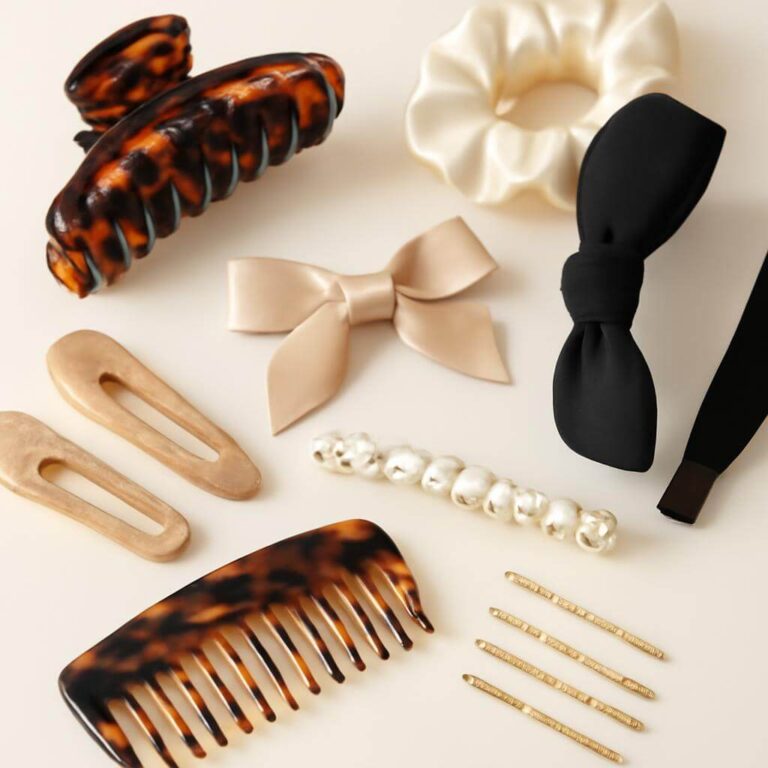
Material selection is one of the most important decisions in a French twist hair accessory program. Buyers usually compare acetate, resin, plastic, metal, satin, velvet, organza, pearl, and rhinestone details depending on the target channel. Each material changes the look, weight, grip performance, and perceived value of the item.
For example, acetate and resin are often used for polished fashion-forward styles with strong color depth. Plastic can be effective for cost-controlled bulk programs, especially when the item must stay lightweight. Metal works well for structured pins and combs when durability and shape retention matter. Decorative trims such as faux pearl or rhinestone details are more suitable for gift sets or occasion collections than for everyday utility programs.
Shape and structure should match the intended use case. A classic French hair pin or stick may suit buyers looking for a minimal, elegant finish. A French comb can offer more surface contact and is often preferred when the buyer wants a secure hold and a more visible retail profile. Large formats are useful when the target customer has thick hair or when the product needs stronger merchandising presence on a display card. Smaller formats can work for partial updos, fine hair, or travel-ready kits.
- Acetate: suitable for premium fashion styling, color-rich collections, and private label retail programs.
- Resin: useful for custom shapes, marbled effects, and trend-driven seasonal color stories.
- Metal: best for durable pins and structured combs that need better shape stability.
- Plastic: practical for cost-sensitive wholesale orders and large-volume promotional sets.
- Satin, velvet, organza, pearl, rhinestone: best as embellishment or packaging accents for gift-oriented assortments.
Set combination also matters. Many buyers do better with a curated assortment than with a single-item launch. A two-piece or three-piece pack can include one large classic comb, one decorative pin, and one utility clip. That approach supports cross-selling and helps retail buyers create a higher ticket value without overcomplicating inventory.
For buyers developing a hair accessories line, the most practical rule is to match form, material, and channel. A bridal gift set should not be built like a budget promotional item, and a salon retail SKU should not be treated like a one-off fashion sample.
OEM/ODM customization, branding, and retail packaging options
Private label hair accessory programs work best when customization begins early, not after the sample is approved. OEM/ODM buyers should define the product dimensions, finish style, color range, branding location, and packaging format before mass production starts. That reduces revision cycles and helps keep the order aligned with the intended retail price point.
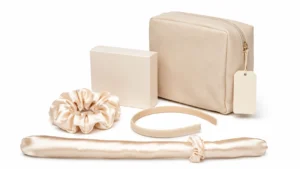
Common customization options include custom color matching, logo plate application, woven label, hang tag, display card, OPP bag, barcode label, and gift box presentation. A simple hair pin can look much more premium when it is paired with the right retail hanging card and clean logo placement. For higher-end assortments, a display set or box set can help transform a functional item into a giftable product.
Packaging should match the channel. A clear carded pack works well for mass retail and online fulfillment. A compact gift box is better for bridal, seasonal, and promotional presentations. If the buyer plans to sell through salons or boutique stores, display-ready packaging helps reduce merchandising work at the point of sale.
Q&N Fashion Accessory can support buyers who need coordinated product and packaging development rather than isolated accessory sourcing. That is especially useful when a brand wants the same design logic to extend across hair pins, combs, clips, and related women’s fashion accessories. For reference, buyers can review the supplier’s website at https://blaccessory.com/.
How B2B buyers should evaluate suppliers, MOQ, sampling, lead time, and QC
Supplier evaluation should start with product consistency, not just price. A low quote is not useful if the hair accessory slips in grip performance, the finish varies from sample to bulk, or the packaging arrives with print misalignment. Buyers should ask for detailed sample photos, material confirmation, and clear production notes before confirming the order.
MOQ should be reviewed together with mold cost and color consistency. If a design requires a custom mold, the buyer should clarify ownership, tooling lead time, and whether the mold can support repeat production in later seasons. For color-sensitive products, buyers should request approved color references and confirm whether the supplier can maintain tone consistency across future replenishment orders.
Sampling is a practical checkpoint, not a formality. A good sample process for French twist accessories should test grip strength, surface finishing, edge smoothness, closure stability, and appearance under retail lighting. If the product includes a comb or pin, the buyer should also check whether it holds well in different hair volumes. This is especially important for large classic styles and for women’s assortment programs that must serve different end users.
Lead time and QC should be discussed in the same conversation. Buyers should confirm production schedule, inspection method, carton packing standard, and whether final quality control includes logo review and packaging verification. For repeat orders, ask how the supplier handles remake thresholds and batch-to-batch consistency. These details matter more than a small per-unit cost difference when the product is being sold through retail chains or private label programs.
Practical supplier evaluation points include:
- Can the supplier provide stable grip strength and smooth finishing across the full order?
- Are custom color and logo options available without excessive retooling risk?
- Does the supplier support sample approval before bulk production?
- Is the MOQ compatible with the buyer’s launch plan and channel test volume?
- Can the factory maintain reorder consistency for seasonal replenishment?
When buyers compare wholesale hair accessory suppliers, they should also look for production discipline. That means organized sample records, clear packing instructions, and the ability to track the same SKU across multiple orders without drifting in color or finish.
Practical sourcing recommendations for private label hair accessory programs
For brands building a French twist assortment, the most efficient sourcing strategy is to start with a narrow core range and expand only after retail feedback is clear. A simple program might include one classic pin, one comb, and one clip style in three coordinated colors. That gives buyers a manageable launch set while still allowing room for premium versions, seasonal colors, and gift packaging extensions.
Before placing a bulk order, define the buyer decision factors that will matter downstream: target price, retail channel, packaging format, age group, hair type fit, and replenishment expectations. If the goal is premium gifting, prioritize finishing quality and presentation. If the goal is volume retail, keep the shape clean and the packaging efficient. If the goal is bridal or occasion use, focus on elegant materials and more refined logo placement.
It also helps to think in terms of product families rather than single SKUs. A well-structured collection can connect French pins, combs, clips, and other classic women’s styles under one private label story. That makes cross-merchandising easier and gives retail buyers more confidence in long-term assortment planning.
For buyers seeking a dependable sourcing partner, Q&N Fashion Accessory offers a practical path for developing custom hair accessories with OEM/ODM support, packaging alignment, and wholesale production planning. If your next collection needs a supplier reference for classic French twist formats, start with material clarity, finish standards, and a sample process that mirrors real retail use.
Frequently Asked Questions
What is the best hair accessory for a French twist?
The best option depends on the hair type, the intended channel, and the look the buyer wants to achieve. For a classic elegant presentation, French pins, combs, and slim sticks are often preferred because they create a clean profile and can be packaged in a premium way. For thicker hair or stronger hold, a larger comb or reinforced clip can be more practical. Wholesale buyers should evaluate both styling performance and retail presentation before selecting the final SKU mix.
How do you hide the clip in a French twist?
From a product development angle, buyers should think about how the accessory sits inside the hairstyle rather than only how it looks on the card. Slim pins, matching-color combs, and smooth-finished clips are easier to conceal than bulky shapes. If the target customer wants a discreet hold, suppliers should be asked for low-profile structures, neutral colors, and finish options that blend into hair tones more easily.
How to get a French twist to stay?
Retention depends on the accessory design, grip strength, and the suitability of the style for the end user’s hair type. In sourcing terms, buyers should look for products with strong teeth, stable curves, or secure pin tension. For bulk orders, it is worth requesting sample testing on different hair volumes so the supplier can adjust structure or surface finish before mass production.
What are those French hair clips called?
Buyers usually refer to them as French hair pins, French combs, French sticks, or classic twist clips depending on the structure. In wholesale catalogs, the naming should be simple and consistent so retail buyers can identify the item quickly. Clear naming also helps when building a private label range that includes hair clips, combs, and decorative women’s accessories under one product family.
What materials are most suitable for wholesale French twist accessories?
Common choices include acetate, resin, plastic, metal, and decorative finishes such as pearl or rhinestone. Acetate and resin are often chosen for premium fashion collections, while plastic can work for higher-volume programs. Metal may be best when strength and shape retention are priorities. The right choice depends on target price, brand positioning, and the level of polish required for retail display.
How can I source French twist hair accessories with private label packaging?
Start by confirming the accessory structure, then define your logo method, packaging format, and retail display needs. Ask for samples, verify material and finish quality, and check whether the supplier can maintain repeat-order consistency. If you are building a broader collection, review related categories on blaccessory.com so the assortment can stay visually coordinated across pins, combs, clips, and other hair accessories.