A styling tool that looks simple on the shelf can become a strong commercial item when the product, packaging, and merchandising are aligned. That is especially true for any hair accessory for french twist styling. Buyers serving fashion retailers, salon channels, gift programs, and beauty accessory brands are seeing renewed interest in easy updo solutions that feel polished, portable, and giftable. While consumer media often frames French hair pins and updo tools as a chic styling secret, B2B buyers need a different conversation: which materials hold securely, which finishes support premium positioning, which packaging formats increase retail value, and which suppliers can maintain color and quality consistency across repeat orders.
For wholesale programs, French twist accessories are rarely sold in isolation. They are often developed as part of a broader assortment that may include hair pins, barrettes, claw clips, scrunchies, combs, or coordinated pouches. That makes sourcing decisions more complex but also more profitable. A buyer is not only selecting a functional updo item; they are planning a category story, display strategy, packaging method, and reorder structure.
Article Outline
- Why French twist hair accessories matter in today’s wholesale hair accessory market
- Product types, materials, and set combinations for French twist styling
- Customization, branding, and packaging options for private label programs
- How buyers should evaluate suppliers on MOQ, sampling, lead time, and quality control
- Practical sourcing recommendations for developing French twist accessory collections
Why French twist hair accessories matter in today’s wholesale hair accessory market
The French twist sits at the intersection of fashion utility and everyday convenience. It supports office styling, occasion wear, quick grooming, and travel use, which gives buyers a wider sales story than trend-only accessories. A simple metal or resin pin can serve customers who want easy updos, while embellished versions with pearl or rhinestone details can move into gift, bridal, or seasonal collections.
From a sourcing perspective, this category matters because it solves several retail needs at once. It offers a relatively compact SKU, low freight volume, and flexible price architecture. Entry-level plastic and coated metal styles can support promotional programs, while acetate, resin, or decorative versions can target boutique and department store channels. For buyers developing coordinated collections, French twist tools also pair naturally with storage pouches, display cards, or mini gift sets.
Several market signals support this opportunity. Fashion media such as FashionUnited often highlights the continued commercial importance of accessories as margin-supporting add-ons, while retail data sources like Statista are commonly used by buyers to track broader beauty and personal accessory demand. The exact sales mix depends on channel, but the practical takeaway is clear: small, style-driven accessories that are easy to demonstrate and easy to gift can perform well when merchandising is right.
Key B2B sourcing insights in this segment include:
- French twist tools sell better when positioned as part of an updo solution rather than as a single anonymous pin.
- Grip strength and finishing quality matter more to repeat orders than trend appeal alone.
- Packaging can significantly change perceived value, especially for gift, travel, or checkout display programs.
- Short development cycles are possible for standard shapes, but custom molds require more planning.
- Color trend alignment is important because buyers often coordinate hair accessories with seasonal apparel or beauty launches.
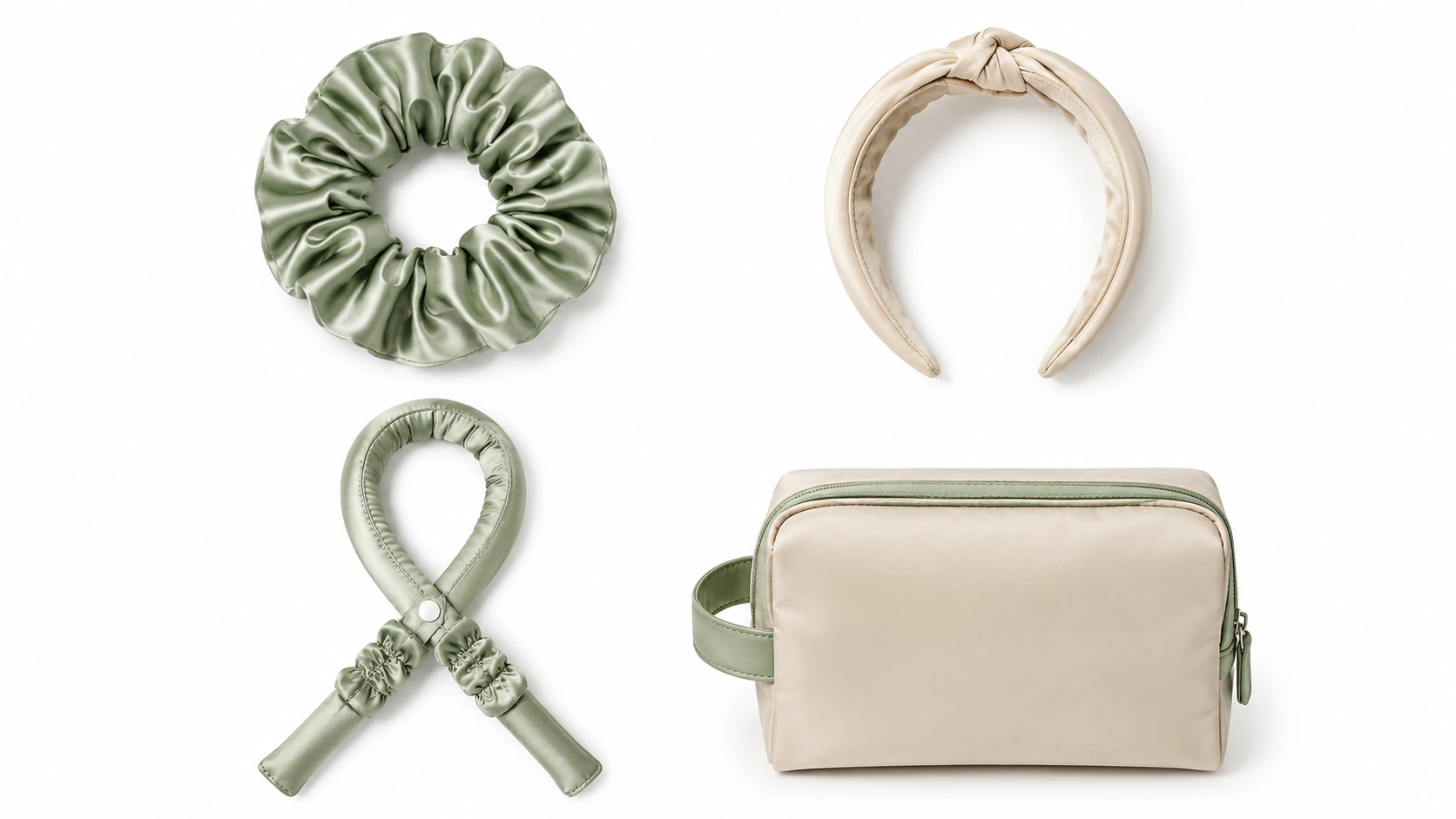
Another reason this category is commercially attractive is portability. Buyers can combine French twist pins or combs with a hair accessory pouch, custom cosmetic bag, or small travel beauty organizer to create a stronger retail proposition. That is one reason sourcing teams comparing beauty accessory packaging suppliers increasingly evaluate both the accessory itself and the storage or presentation format around it.
Product types, materials, and set combinations for French twist styling
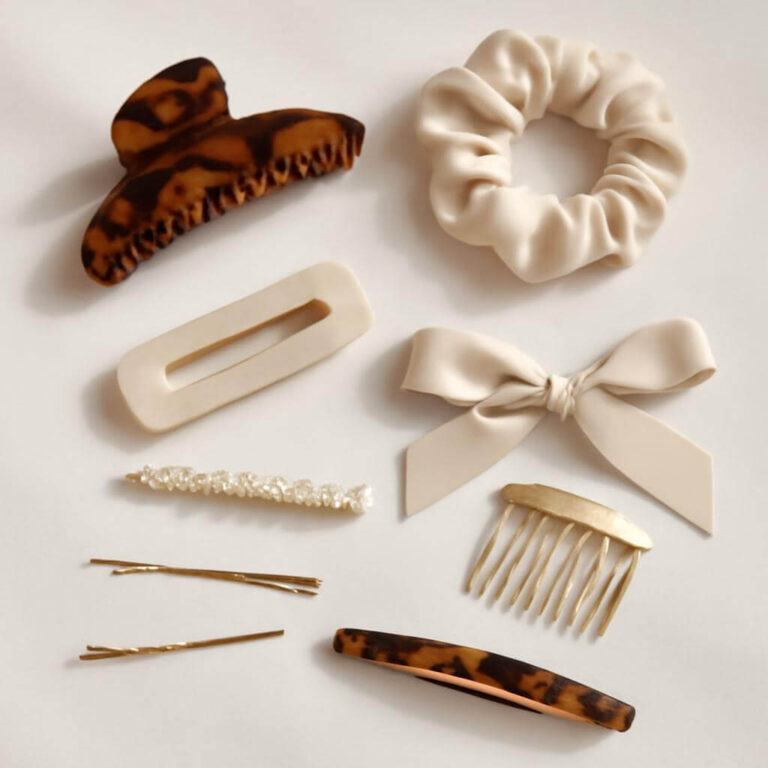
Not every product marketed for a French twist performs the same way. Buyers typically choose among U pins, French hair pins, twist combs, barrettes, concealed claw structures, and support combs depending on target user, hair thickness, price point, and brand positioning. A good supplier discussion should move beyond appearance and address hold, insertion angle, edge smoothness, and wear comfort.
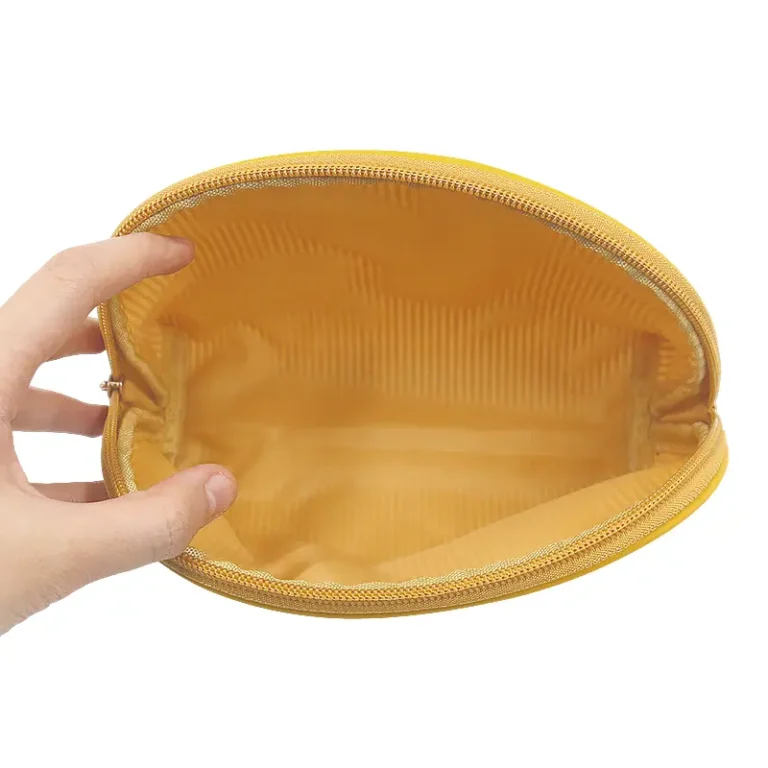
Common product options include minimalist metal U pins for effortless updos, decorative resin or acetate pins for a more fashion-led look, and hybrid sets that include both a primary twist holder and smaller support pins. If the target market includes gifting or travel retail, buyers may also add satin or velvet storage pouches, organza bags, or compact zip cases.
- Metal hair pins: suitable for stronger hold, daily use, and classic styling programs; finishing quality and coating consistency are critical.
- Acetate and resin pins: useful for premium color effects, marbling, and fashion collections; buyers should review edge polishing and break resistance.
- Plastic twist tools: often support entry-price retail and high-volume promotions; mold precision affects comfort and hair grip.
- Pearl or rhinestone embellished styles: appropriate for holiday, bridal, and gift channels; stone setting quality must be checked carefully.
- Satin, velvet, and organza additions: ideal when the accessory is sold with a pouch or display set for better presentation.
Structure and size selection should follow the end market. Buyers selling into mass retail may prefer one core French hair pin size that works for medium hair density and keeps packaging simple. Boutique or salon channels may need multiple lengths for thick, fine, or short hair. A French twist clip for short hair, for example, often requires a different grip geometry than a longer pin designed for fuller updos.
Set combination strategy also matters. Instead of offering one pin only, many private label programs use one of the following structures:
- Single hero pin on a branded retail hanging card
- Two-piece updo set with one large pin and one support comb
- Three- to five-piece styling kit with bobby pins, mini comb, and storage pouch
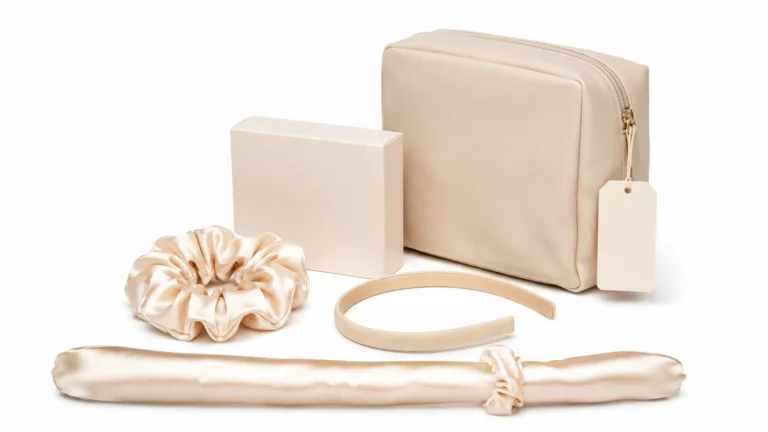
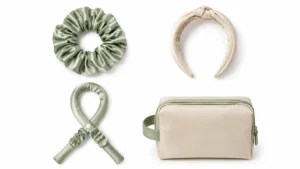
- Gift set pairing a decorative updo pin with a scrunchie or barrette
- Travel organizer concept combining hair accessories with a small zip pouch
For B2B buyers, practical decision factors usually include material cost, expected hold performance, fragility during transport, packaging compatibility, and reorder stability. If the goal is a low-maintenance, easy French updo story, the product has to look chic but also survive repeated handling in stores and during use.
Buyers building a broader assortment can review accessory categories and styling directions through https://blaccessory.com/hair-accessories/, especially when planning coordinated collections rather than single-SKU programs.
Customization, branding, and packaging options for private label programs
For private label hair accessories, the difference between a generic item and a brand-ready program is usually found in customization and presentation. A French twist accessory is a small product, so packaging often does most of the storytelling. Buyers should decide early whether the item is intended for open display, hanging display, boxed gifting, salon checkout, or e-commerce fulfillment.
Customization can start with the accessory itself. Common options include custom color matching, logo plates on metal components, engraved branding, printed card backers, woven labels on pouches, and coordinated display sets. Seasonal color planning is especially important for acetate, resin, satin, and velvet-based items because small shade variations become obvious when the collection is merchandised together.
Typical branding and packaging options include:
- Display card for basic retail presentation and easy barcode application
- Retail hanging card for peg display in chain stores and beauty shops
- OPP bag for cost-sensitive programs or inner pack protection
- Gift box for higher-value updo sets, holiday packs, or influencer mailers
- Barcode label for warehouse scanning and channel compliance
- Mini pouch or custom cosmetic bag for value-added presentation and reuse
Packaging selection should reflect both channel and product story. If the item is sold as the secret to effortless chic updos, a clean card with styling visuals may be enough. If it is part of a beauty gift set packaging concept, a rigid box or soft pouch with coordinated inserts will better support the higher perceived value. For travel retail or beauty accessory packaging programs, transparent PVC windows or compact organizer styles can help buyers showcase the product while also emphasizing portability.
A supplier such as Q&N Fashion Accessory can support buyers who need the accessory and the packaging developed together, which reduces mismatches between card size, product fastening, barcode placement, and freight pack-out. This is especially useful when brands are testing new line extensions or creating mixed accessory sets for promotions.
When reviewing logo and packaging proposals, buyers should confirm:
- How the logo will appear across both the accessory and outer packaging
- Whether card thickness is suitable for hanging display without bending
- If the product needs anti-scratch protection inside the pack
- Whether color references are approved against production standards
- How display sets will be packed for export and retail replenishment
How buyers should evaluate suppliers on MOQ, sampling, lead time, and quality control
French twist accessories may be small, but supplier evaluation should be as disciplined as it is for larger beauty and fashion categories. Many sourcing problems emerge after sample approval, when bulk production exposes inconsistencies in plating, grip strength, stone placement, or color matching. That is why buyers should assess not only unit price but also production control methods.
MOQ is often tied to material and customization complexity. Standard metal or plastic shapes may allow more flexible starting volumes, while custom molds, acetate patterns, or branded gift packaging may increase minimum order requirements. Mold cost should be discussed early if the buyer wants a proprietary shape or branded decorative top. In many cases, it is more efficient to launch with an existing base structure and invest in custom packaging first, then develop exclusive tooling once reorder demand is proven.
Sampling should include more than a visual approval. A useful sample review process often covers:
- Material confirmation for metal gauge, resin density, or acetate finish
- Grip strength testing on different hair types where relevant
- Surface finishing checks for burrs, rough edges, coating defects, or glue marks
- Packaging fit verification so the product does not shift or snag in transit
- Logo proofing for scale, placement, and legibility
Lead time depends on the complexity of the program. A standard style with card packaging may move faster than an embellished updo set with custom gift box, pouch, barcode labeling, and mixed materials. Buyers should ask for a timeline covering sampling, revisions, lab dips or color approvals if needed, bulk production, inspection, and booking. Reorder stability is often more important than the speed of the first order, especially for evergreen accessories.
Quality control should focus on the failure points most relevant to this category. These include uneven spring tension where applicable, weak grip, flaking finish, cracked resin, visible scratches, loose rhinestones, rough welding points, and poor card attachment. For private label programs, packaging consistency is also part of QC because misapplied labels or crooked cards directly affect shelf presentation.
Buyers comparing suppliers should ask practical questions such as:
- Can the supplier maintain the same color across multiple reorder batches?
- What is the defect handling process for decorative stones or plated parts?
- How are mixed sets counted and checked before packing?
- Can sample sign-off standards be referenced during bulk inspection?
- What pack-out method is used to protect shape and finish during shipment?
Q&N Fashion Accessory fits best into the sourcing conversation when buyers need coordination across product design, retail presentation, and repeat-order control rather than only a one-time style copy.
Practical sourcing recommendations for developing French twist accessory collections
Buyers entering this category should begin with channel strategy, not just product inspiration. A salon-focused assortment may prioritize hold performance and durable metal construction. A fashion retailer may prefer acetate, faux pearl, or rhinestone details that create a more chic visual statement. A gift set developer may get better results by combining a French twist tool with a pouch, display card, and complementary hair item to build perceived value.
Five practical recommendations can help reduce development risk:
- Start with one proven base style and expand by finish or color rather than launching too many untested structures at once.
- Align material choice with target price point; acetate and resin elevate appearance, while plastic and standard metal can support volume programs.
- Use packaging to define the retail story, especially if the item is positioned as easy, elegant, and travel friendly.
- Approve both product and packaging samples together to avoid fit, presentation, or barcode issues later.
- Plan reorders around seasonal color continuity and quality benchmarks, not only initial cost.
For buyers developing private label beauty and hair accessory programs, it is also smart to think beyond the single pin. A coordinated range can include travel beauty organizer concepts, hair accessory pouch options, compact display-ready sets, and promotional gift formats that improve basket value. This approach is particularly useful when a retailer wants cross-merchandising between hair accessories and beauty storage items.
When comparing wholesale development partners, review whether they can support packaging coordination, color planning, sample revisions, and stable repeat production. A sourcing partner such as Q&N Fashion Accessory can be evaluated through its broader product and packaging capabilities at https://blaccessory.com/. For buyers managing category expansion, that broader view matters because accessory success often depends as much on presentation and supply reliability as on styling appeal.
Frequently Asked Questions
What clip do you use for a French twist?
In wholesale terms, buyers usually choose among French hair pins, U pins, twist combs, slim barrettes, or concealed support clips depending on the target customer and hair type. If the focus is everyday function, metal U pins or structured twist pins are common because they offer a cleaner hold. If the goal is a more decorative retail item, resin, pearl, or rhinestone-accented pieces may be used. The right choice depends on grip strength, ease of insertion, packaging format, and the retail price architecture the buyer is building.
What is the hair tool for French twist?
The most common tools are U-shaped hair pins, French hair pins, comb-based twist holders, and support bobby pins. From a B2B sourcing perspective, these tools differ in user friendliness, hold, and margin potential. A simple pin may work for minimalist collections, while a set with combs or support pieces can create a more complete easy updo concept. Buyers should compare not only appearance but also edge finishing, material strength, and whether the product can be packed effectively on a display card or in a gift set.
What is needed for a French twist?
For the end user, a French twist usually requires one main holding accessory and sometimes additional support pins. For the buyer, the requirement is broader: a stable product structure, suitable material, clear styling story, and packaging that explains use. Many brands improve sell-through by offering a mini set that includes the main twist accessory plus a few matching support pins. This works well in retail because it reduces customer uncertainty and increases perceived value without greatly increasing freight or packaging complexity.
How to hold up a French twist?
The accessory must slide securely into gathered hair and maintain tension without snagging or slipping. That means B2B buyers should test grip strength, pin thickness, curvature, and surface smoothness during sampling. A visually attractive item that lacks holding power may generate complaints and weak repeat business. If the target market includes thick or layered hair, buyers may need a larger size or a stronger metal specification. If the market includes short hair, the geometry often needs to be adjusted for easier anchoring.
What packaging works best for French twist hair accessories in retail?
The best packaging depends on channel. A display card or retail hanging card works well for value and mid-range programs because it allows quick product visibility and easy barcode placement. An OPP bag may be enough for inner protection or simple promotional distribution. Gift box packaging suits premium, holiday, or coordinated accessory sets. Buyers developing beauty accessory packaging should also consider whether a small pouch, organizer, or travel-ready pack can add value and improve presentation for gifting or cross-category merchandising.
How should buyers source private label French twist accessories for repeat orders?
Buyers should begin with a sample process that confirms material, finish, grip strength, color, and packaging together. They should then document approved standards for bulk production, especially if decorative elements or exact seasonal colors are involved. Repeat-order success depends on consistent QC, pack-out protection, and clear communication about MOQ and lead time. Buyers looking for broader product and packaging coordination can review capabilities and sourcing direction at https://blaccessory.com/ before finalizing a private label development plan.