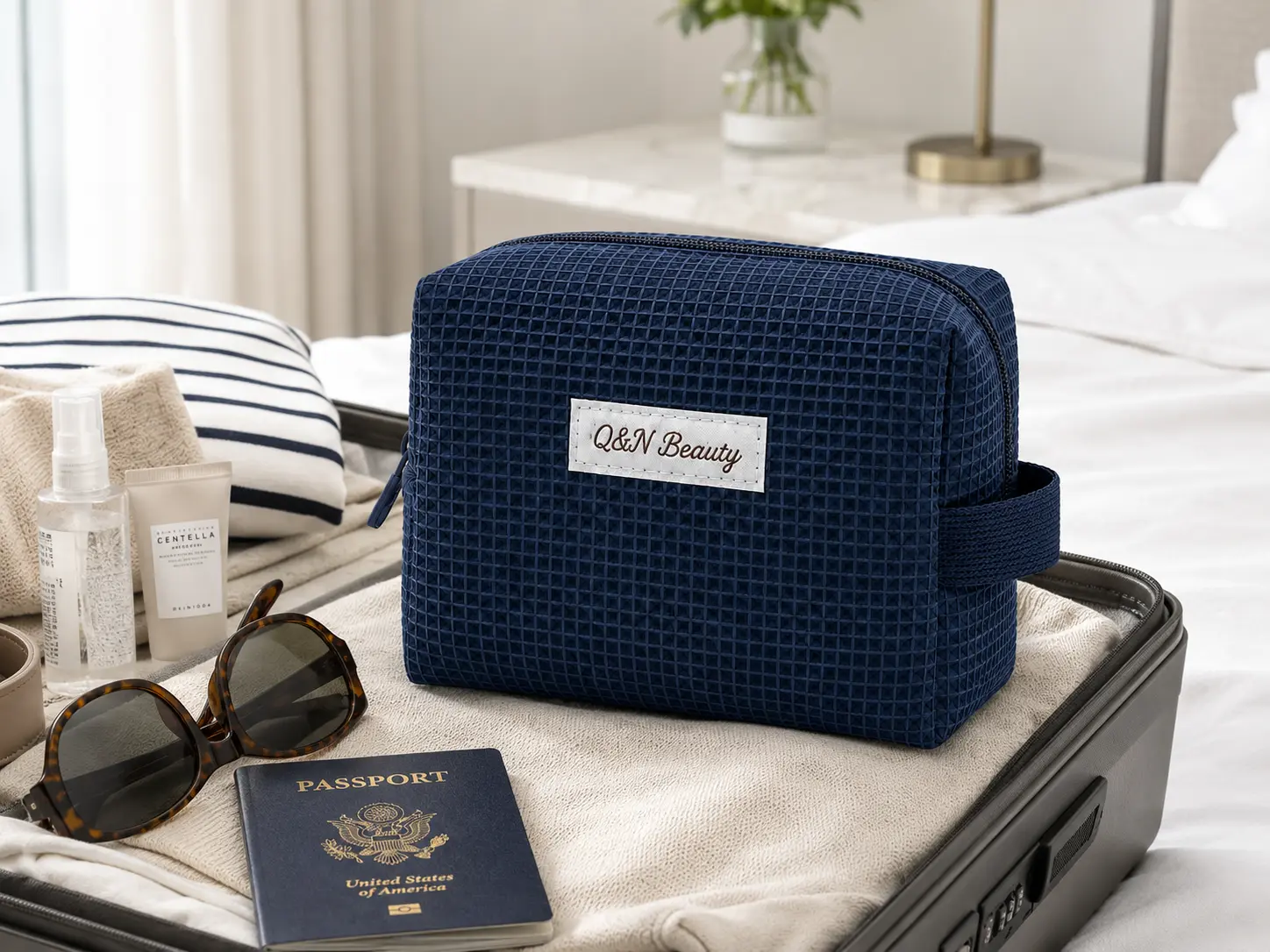
Custom Cosmetic Bags are not only storage pouches for beauty products. They are also brand carriers. The logo method you choose can change how the bag looks, how long the branding lasts, how premium the product feels, and whether the final packaging matches your beauty brand’s positioning.
Many beauty brands spend a lot of time choosing the bag shape, color, and material, but they leave the logo method until the end. This often creates problems. A printed logo may not work well on textured fabric. Embroidery may look too heavy on a small pouch. A metal logo plate may increase cost. A debossed logo may look elegant on PU leather but may not be visible enough on soft fabric.
Logo customization matters because beauty packaging is highly visual. A cosmetic bag may be used in retail gift sets, influencer PR packages, skincare travel kits, makeup bundles, fragrance discovery sets, and gift-with-purchase programs. If the logo looks clean, balanced, and durable, the bag feels more professional. If the logo looks cheap or poorly placed, the whole product set can lose value.
Table of Contents
- What Are Cosmetic Bag Logo Options?
- Why Logo Method Matters for Custom Cosmetic Bags
- Common Logo Options for Custom Cosmetic Bags
- How to Choose Logo Method by Material
- How to Choose Logo Size and Position
- How to Match Logo Style with Brand Positioning
- What to Prepare Before Logo Production for Custom Cosmetic Bags
- Case Study
- Pros and Cons
- Expert Advice
- FAQ
- Conclusion
What Are Cosmetic Bag Logo Options?
Logo Customization Definition
Cosmetic bag logo customization means adding a brand name, symbol, slogan, pattern, icon, campaign mark, or decorative identity element onto a cosmetic bag. The logo can be placed on the outside panel, side seam, zipper puller, inner lining, woven label, hangtag, retail card, or packaging box.
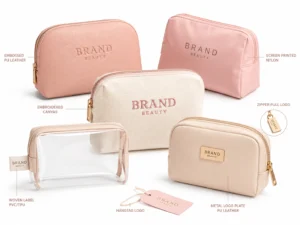
The most common logo options include screen printing, heat transfer printing, embroidery, woven labels, metal logo plates, rubber patches, and embossed or debossed logos. Each method has a different look, cost level, durability, production process, and material compatibility.
Common Logo Uses for Beauty Brands
Beauty brands use logos on cosmetic bags for retail packaging, PR packages, influencer campaigns, holiday gift sets, skincare travel sets, makeup brush kits, fragrance discovery sets, promotional gifts, and gift-with-purchase campaigns.
For a beauty brand, the logo is not only decoration. It helps customers recognize the brand. It also makes the cosmetic bag feel like part of a complete beauty experience. If the bag is reusable, the logo may continue to create brand exposure long after the original products are used.
Difference Between Logo Methods
The main difference between logo methods is how the logo is applied and how it looks on the final bag. Printing creates a flat logo effect. Embroidery creates texture. Woven labels look like fashion branding. Metal plates feel premium. Rubber patches feel sporty or modern. Embossing and debossing create a subtle tone-on-tone effect.
There is no single best method for every project. The right choice depends on the bag material, order quantity, logo complexity, target price, brand positioning, and final use.
| Logo Method | Visual Effect | Best For | Cost Level |
|---|---|---|---|
| Screen printing | Flat and clear | Simple logos and bulk orders | Low to medium |
| Heat transfer | Smooth and detailed | Color artwork and soft fabrics | Medium |
| Embroidery | Textured and premium | Canvas, cotton, quilted fabric | Medium to high |
| Woven label | Clean and durable | Fashion-style cosmetic bags | Medium |
| Metal logo plate | Polished and luxury | PU and structured bags | High |
| Rubber patch | Modern and sporty | Nylon, mesh, travel bags | Medium to high |
| Embossed or debossed logo | Subtle and refined | PU leather cosmetic bags | Medium to high |
Why Logo Method Matters for Custom Cosmetic Bags
The logo method matters because Custom Cosmetic Bags are often used as visible packaging. Customers may see the bag in a retail store, open it in a PR package, photograph it for social media, or reuse it during travel. The logo must match the material and the brand feeling.
Brand Recognition
A clear logo helps customers remember the brand. This is especially important for beauty gift sets, influencer mailers, subscription boxes, and promotional campaigns. When the customer reuses the bag, the logo continues to create brand exposure.
However, stronger logo visibility does not always mean a bigger logo. A large front print may work for a promotional campaign, but a subtle woven label may look more premium for a skincare brand. The logo should be easy to recognize without making the bag feel like disposable advertising.
Product Perceived Value
Logo method can change perceived value. A metal logo plate on a PU cosmetic bag can make the product feel more premium. Embroidery on cotton can make the pouch feel crafted. A woven label can make the bag look more like a retail accessory. A clean debossed logo can create a quiet luxury effect.
For beauty brands, perceived value is important because cosmetic bags are often used in gift sets. The bag should make the whole set feel more complete, not cheaper.
Material Compatibility
Not every logo method works on every material. PU leather can support debossing and hot stamping. Canvas is suitable for embroidery and printing. PVC and TPU need carefully tested printing or patches. Mesh may need labels or patches instead of direct printing. Quilted fabric may need a woven label or logo panel because stitching lines can affect logo clarity.
Choosing the wrong method can lead to poor adhesion, unclear logo edges, color difference, cracking, peeling, or uneven appearance.
Long-Term Durability
Cosmetic bags are often reused. The logo should survive daily handling, travel, friction, cleaning, and product residue. A logo that looks good on the first day but peels after use will damage the brand impression.
This is why sample testing matters. The brand should check logo adhesion, color fastness, stitching quality, hardware attachment, and surface durability before approving bulk production.
| Why It Matters | Risk If Ignored | Better Approach |
|---|---|---|
| Brand recognition | Logo is hidden or unclear | Choose visible but balanced placement |
| Perceived value | Bag feels cheap or mismatched | Match logo method with brand level |
| Material compatibility | Logo peels, cracks, or looks uneven | Test logo on actual material |
| Durability | Logo fails after reuse | Approve sample before bulk production |
| Production cost | Logo method exceeds budget | Compare cost by quantity and material |
Common Logo Options for Custom Cosmetic Bags
There are several common logo options for Custom Cosmetic Bags. Each method has its own strengths. The best choice depends on whether the brand wants a simple promotional look, a soft premium look, a luxury effect, a sporty style, or a subtle high-end finish.
Screen Printing
Screen printing is one of the most widely used logo methods for cosmetic bags. It is suitable for simple logos, one-color artwork, and larger production quantities. It works well on polyester, nylon, canvas, cotton, PVC, and some TPU surfaces.
This method is cost-effective and clear. It is a good choice for promotional beauty bags, gift-with-purchase pouches, retail mini bags, and simple brand logos. It may not be ideal for very detailed artwork, gradient logos, or heavily textured fabric.
Heat Transfer Logo
Heat transfer logos can support more detailed artwork than simple screen printing. They can be used for multi-color designs, smooth graphic effects, or logos that need sharper color transitions.
Heat transfer works best on suitable fabric surfaces. It should be tested on the actual material to confirm adhesion, hand feel, and durability. It may not be the best choice for high-texture fabrics or surfaces that cannot handle heat well.
Embroidery Logo
Embroidery creates a textured logo with a crafted feeling. It is popular for canvas cosmetic bags, cotton pouches, quilted makeup bags, velvet pouches, terry cosmetic bags, and soft fabric packaging.
Embroidery works well for beauty brands that want a premium, handmade, soft, or lifestyle-oriented look. However, it may not be suitable for very small text, thin lines, or complex gradient artwork.
Woven Label
A woven label is a small fabric label sewn onto the bag. It can be placed on the front, side seam, zipper edge, inner lining, or back panel. Woven labels are durable, clean, and suitable for many materials.
This method is useful when the brand wants subtle branding. It makes the cosmetic bag feel closer to a fashion accessory than a giveaway item.
Metal Logo Plate
A metal logo plate gives a polished and premium look. It is often used on PU leather cosmetic bags, structured vanity cases, luxury skincare pouches, and fragrance gift sets. Common finishes include gold, silver, rose gold, gunmetal, matte black, and brushed metal.
Metal plates increase perceived value, but they also increase cost and require secure attachment. They should be used when the product price and brand positioning justify the detail.
Rubber Patch
Rubber patches are suitable for sporty, modern, waterproof, travel, mesh, and nylon cosmetic bags. They create a durable logo effect and can add a casual or active lifestyle feeling.
This method is useful for travel toiletry bags, clear mesh pouches, outdoor beauty kits, sunscreen sets, and brands with a younger or sportier visual identity.
Embossed or Debossed Logo
Embossed and debossed logos are common on PU leather cosmetic bags. Embossing raises the logo from the surface, while debossing presses the logo into the material. Both create a subtle tone-on-tone effect.
This method is suitable for luxury skincare, fragrance, clean beauty, men’s grooming, and minimalist beauty brands. It is elegant, but the logo may be less visible from far away, so placement and size should be tested carefully.
How to Choose Logo Method by Material
Material should guide logo selection. A logo method that works beautifully on PU leather may not work on mesh. A logo that looks clean on canvas may not work on transparent PVC. Beauty brands should always match the logo technique with the actual bag material.
PU Leather
PU leather works well with debossed logos, embossed logos, hot stamping, metal logo plates, screen printing, and custom zipper pullers. For premium skincare or fragrance brands, debossing and metal plates often look more refined than large printed logos.
Nylon and Polyester
Nylon and polyester are flexible materials for logo customization. They can use screen printing, heat transfer logos, embroidery, woven labels, rubber patches, and custom zipper pullers. For travel cosmetic bags, woven labels or rubber patches often create a durable and professional finish.
Canvas and Cotton
Canvas and cotton are suitable for screen printing, embroidery, woven labels, and cotton labels. These materials work well for clean beauty, natural skincare, wellness brands, and lifestyle-oriented cosmetic bags.
Embroidery on canvas can feel premium and crafted, while screen printing can create a cleaner and more cost-effective result for larger quantities.
PVC and TPU
PVC and TPU are commonly used for clear cosmetic bags. Logo options include screen printing, heat transfer, rubber patches, woven labels, metal plates, and custom zipper pullers. Because the material is transparent, logo placement must be tested with products inside the pouch.
A logo that looks clear on an empty pouch may become difficult to read when product labels and colors sit behind it. For clear bags, side labels, zipper pullers, or small front logos often work better than oversized prints.
Mesh Fabric
Mesh fabric can be difficult for direct printing because of the open structure. Woven labels, rubber patches, zipper pullers, or printed binding tape may work better. For beach beauty kits, gym pouches, or summer skincare sets, a rubber patch can create a modern and durable effect.
Internal link suggestion: Add a link here to a custom cosmetic bag material guide on Q&N Bags.
Internal link suggestion: Add a link here to a cosmetic bag factory or logo customization service page on Bling Accessory.
| Bag Material | Recommended Logo Methods | Best Brand Use |
|---|---|---|
| PU leather | Debossing, embossing, hot stamping, metal plate | Luxury skincare, fragrance, grooming |
| Nylon | Woven label, rubber patch, screen printing, puller | Travel beauty and skincare kits |
| Polyester | Screen printing, heat transfer, woven label | Promotional and retail cosmetic bags |
| Canvas/Cotton | Embroidery, screen printing, woven label | Clean beauty and lifestyle brands |
| PVC/TPU | Screen printing, rubber patch, custom puller, label | Clear cosmetic pouches and travel kits |
| Mesh fabric | Woven label, rubber patch, zipper puller | Beach, gym, summer beauty sets |
How to Choose Logo Size and Position
Logo size and position affect the final balance of the cosmetic bag. A good logo should be visible, but not overwhelming. It should match the bag shape, material, zipper position, product use, and brand image.
Front Center Logo
A front center logo is the most direct option. It gives strong brand visibility and works well for promotional pouches, PR packages, and retail gift sets. It is suitable for printing, embroidery, metal plates, and debossing.
However, front center placement should be tested on curved, quilted, clear, or soft materials. If the bag wrinkles or folds, the logo may not remain flat.
Side Label Logo
A side label logo is subtle and fashion-oriented. It works well for woven labels, small fabric tags, and minimalist beauty brands. This placement is good when the brand wants the bag to feel reusable and less promotional.
Zipper Puller Logo
A zipper puller logo is a small but memorable detail. It can be made from metal, PU, rubber, ribbon, or molded material. This placement is useful when the front panel should remain clean or when the bag material does not support direct logo application.
Inner Lining Logo
An inner lining logo creates a surprise detail when the customer opens the bag. It can be printed as a repeating pattern, small logo mark, or brand message. This is useful for PR packages, gift sets, and premium beauty packaging.
Hangtag Logo
A hangtag logo is useful for retail projects. It can include brand name, product story, barcode, material information, care instructions, or campaign message. A hangtag can add branding without permanently marking the bag surface.
| Logo Position | Best For | Design Note |
|---|---|---|
| Front center | Strong brand visibility | Best for simple and clear branding |
| Side label | Subtle fashion-style bags | Good for reusable retail pouches |
| Zipper puller | Small premium detail | Works when the front panel stays clean |
| Inner lining | Unboxing and premium experience | Good for PR and gift sets |
| Hangtag | Retail information and storytelling | Useful for barcode and care details |
How to Match Logo Style with Brand Positioning
Logo method should match the brand’s market position. A clean beauty brand, luxury skincare brand, young color cosmetic brand, fragrance brand, and promotional beauty project should not all use the same logo style. The logo should support the story the brand wants to tell.
Clean Beauty Brands
Clean beauty brands often prefer simple and natural branding. Canvas, cotton, RPET, frosted TPU, or soft neutral fabric can work well. Suitable logo options include woven labels, embroidery, screen printing, cotton labels, and subtle hangtags.
Luxury Beauty Brands
Luxury beauty brands usually need refined logo execution. PU leather, velvet, satin, quilted fabric, and structured pouches can support a premium look. Suitable logo methods include metal logo plates, debossing, hot stamping, embroidery, and custom zipper pullers.
Young Color Cosmetic Brands
Young color cosmetic brands may use brighter colors, playful artwork, shaped pullers, rubber patches, clear TPU, mesh, ruffles, or bow details. Suitable logo options include screen printing, heat transfer, rubber patches, colorful woven labels, and custom zipper pullers.
Fragrance Brands
Fragrance brands often need a soft, elegant, and giftable presentation. Satin pouches, velvet bags, PU mini pouches, and small structured cases work well. Suitable logo methods include foil stamping, embroidery, woven labels, debossing, and small metal plates.
Promotional Beauty Projects
Promotional beauty projects often need cost control and clear brand visibility. Polyester, nylon, canvas, PVC, and simple zipper pouches are common. Suitable logo methods include screen printing, heat transfer, woven labels, and simple hangtags.
| Brand Type | Best Logo Direction | Recommended Methods |
|---|---|---|
| Clean beauty | Natural and minimal | Woven label, embroidery, screen print |
| Luxury beauty | Refined and premium | Metal plate, debossing, hot stamping |
| Young color cosmetics | Playful and visible | Heat transfer, rubber patch, custom puller |
| Fragrance | Elegant and giftable | Foil stamping, embroidery, woven label |
| Promotional beauty | Clear and cost-effective | Screen printing, heat transfer, hangtag |
What to Prepare Before Logo Production for Custom Cosmetic Bags
Before logo production, beauty brands should prepare complete and accurate information. This helps the factory recommend the right logo method, create a better sample, and avoid delays during bulk production.
Logo File Format
Vector files are best for logo production. Common formats include AI, EPS, PDF, and SVG. High-resolution PNG can work for some simple projects, but vector artwork gives better control over size, line clarity, and color.
Logo Color
Logo color should be confirmed before sampling. If exact matching is required, provide Pantone numbers or physical color references. Logo color may look different on PU, fabric, PVC, TPU, mesh, or metallic hardware.
Logo Size
Logo size should match the bag size and logo method. Small text may not work well with embroidery or debossing. Large logos may look too promotional on premium cosmetic bags. The factory should check minimum size requirements for each logo method.
Logo Position
Logo position should be marked clearly on the artwork or technical drawing. Common positions include front center, side label, zipper puller, lining, hangtag, and packaging card. For clear pouches or quilted bags, test the position with real products and real material.
Sample Testing
Sample testing is essential before bulk production. Brands should check logo clarity, color, placement, adhesion, stitching, surface texture, hardware attachment, and durability. If the bag will be cleaned or used for travel, logo durability should be tested more carefully.
| Preparation Item | What to Provide | Why It Matters |
|---|---|---|
| Logo file | AI, EPS, PDF, SVG, or high-res PNG | Ensures clear logo production |
| Logo color | Pantone number or color reference | Controls color accuracy |
| Logo size | Exact width and height | Prevents unclear or oversized branding |
| Logo position | Artwork or marked reference | Controls visual balance |
| Sample testing | Physical logo sample approval | Reduces bulk production risk |
Case Study: Matching Logo Method with Brand Positioning
A skincare brand preparing a premium travel set wanted a custom cosmetic pouch for cleanser, serum, moisturizer, and sunscreen. The first idea was a large printed logo on the front of a PU pouch. It created strong visibility, but the brand felt the effect looked too promotional for its premium positioning.
The logo plan was revised. The bag used soft cream PU leather, a small debossed logo on the front, and a gold zipper puller with a tiny engraved logo. The final effect was more refined. The logo was still visible, but it did not overpower the clean skincare aesthetic.
For another color cosmetic brand, the opposite approach worked better. The brand wanted a playful PR pouch for a lip oil launch. The pouch used transparent pink TPU, a white screen-printed logo, and a heart-shaped zipper puller. The result was more visual, more social media-friendly, and better matched to the young beauty audience.
The lesson is clear: the best logo option is not always the most expensive one. It is the method that fits the material, brand positioning, product category, customer expectation, and campaign purpose.
External link suggestion: Add a link here to a beauty packaging case study, premium skincare packaging example, or cosmetic bag logo customization guide.
Pros and Cons of Cosmetic Bag Logo Methods
| Logo Method | Pros | Cons | Best Use |
|---|---|---|---|
| Screen printing | Cost-effective, clear, good for bulk | Not ideal for complex textures | Promotional pouches and simple logos |
| Heat transfer | Supports detailed graphics | Needs adhesion testing | Color artwork and soft fabric bags |
| Embroidery | Premium and textured | Not suitable for very small details | Canvas, cotton, quilted fabric |
| Woven label | Durable and fashion-like | Less bold than front printing | Reusable retail cosmetic bags |
| Metal logo plate | Luxury and polished | Higher cost and attachment testing | PU and structured bags |
| Rubber patch | Modern and durable | May not fit luxury positioning | Nylon, mesh, travel bags |
| Embossed or debossed logo | Subtle and refined | Lower visibility from far away | PU leather and premium bags |
Expert Advice for Beauty Brands
Start with the material. Do not choose the logo method before confirming the bag fabric. PU, nylon, canvas, PVC, TPU, mesh, velvet, quilted fabric, and RPET all respond differently to printing, stitching, heat, pressure, and hardware.
Next, decide the brand effect. If the brand wants a premium skincare look, consider debossing, woven labels, or metal details. If the brand wants a young and colorful campaign, consider screen printing, heat transfer, rubber patches, or shaped zipper pullers. If the brand wants clean natural packaging, consider embroidery, cotton labels, or minimal woven labels.
Keep logo size realistic. Small cosmetic bags have limited surface area. A logo that looks good on a large artwork may look crowded on a mini pouch. Ask the factory to confirm minimum readable size before sampling.
Finally, approve the logo on a physical sample. Check the logo under real lighting, with real products inside the bag, and with the bag opened and closed. This is especially important for clear pouches, quilted bags, and curved or soft structures.
FAQ About Logo Options for Custom Cosmetic Bags
What is the best logo option for custom cosmetic bags?
The best logo option depends on the material, brand style, order quantity, and budget. Screen printing is good for cost-effective branding. Embroidery feels premium on fabric. Woven labels are clean and durable. Metal plates and debossing work well for PU cosmetic bags.
Which logo method is best for PU cosmetic bags?
PU cosmetic bags work well with debossed logos, embossed logos, hot stamping, metal logo plates, screen printing, and custom zipper pullers. For premium skincare or fragrance brands, debossing and metal plates usually look more refined.
Can cosmetic bags use embroidered logos?
Yes. Embroidered logos work well on canvas, cotton, quilted fabric, velvet, terry fabric, and some polyester cosmetic bags. Embroidery is suitable for brands that want a textured, premium, or crafted look.
Can clear PVC or TPU cosmetic bags be customized with logo?
Yes. Clear PVC and TPU cosmetic bags can use screen printing, heat transfer, rubber patches, woven labels, metal plates, custom zipper pullers, and hangtags. Logo placement should be tested with products inside the clear bag.
What logo file format should beauty brands provide?
Vector logo files such as AI, EPS, PDF, or SVG are preferred. High-resolution PNG files may work for some projects, but vector files provide better clarity, scaling, and production control.
How should brands choose logo size on cosmetic bags?
Logo size should match the bag size and logo method. Small text may not work well with embroidery or debossing. Large logos may look too promotional. Brands should test logo size on a physical sample before bulk production.
Do logo methods affect cosmetic bag cost?
Yes. Logo methods affect cost. Screen printing is usually more cost-effective. Embroidery, metal plates, rubber patches, hot stamping, embossing, and debossing may cost more depending on size, complexity, tooling, and quantity.
Conclusion: Choose Logo Options for Custom Cosmetic Bags by Material, Brand Style and Use
The best logo option for Custom Cosmetic Bags is the one that matches the material, brand positioning, product use, budget, and customer expectation. A logo should not be chosen only because it looks good in artwork. It must work on the actual bag surface and remain clear during real use.
Screen printing is suitable for simple and cost-effective branding. Heat transfer works for more detailed graphics. Embroidery adds texture and premium value. Woven labels create clean fashion-style branding. Metal logo plates support luxury positioning. Rubber patches work well for sporty and travel bags. Embossed or debossed logos create a subtle premium effect on PU leather.
Looking ahead, cosmetic bag logo trends will continue to move toward cleaner branding, subtle luxury details, custom zipper pullers, reusable labels, tone-on-tone logos, better material compatibility, and more thoughtful logo placement. Beauty brands that test logo methods properly will create cosmetic bags that look professional, last longer, and strengthen brand recognition.
Looking for custom cosmetic bags with your logo? We support OEM and ODM cosmetic bag projects with screen printing, heat transfer logo, embroidery, woven label, metal logo plate, rubber patch, embossed logo, debossed logo, custom zipper puller, hangtag, retail packaging, and shipping solutions. Visit Q&N Bags or Bling Accessory to explore custom cosmetic bag manufacturing solutions for skincare brands, makeup brands, fragrance sets, PR packages, retail gift sets, and promotional beauty projects.